

Cardano Price Prediction: Can ADA Break $0.19 After the Van Rossem Hard Fork?
July 20, 2026 15:23
Drake’s $1.5 Million USDT Loss: The Intersection of Celebrity Culture and Cryptocurrency
July 20, 2026 15:52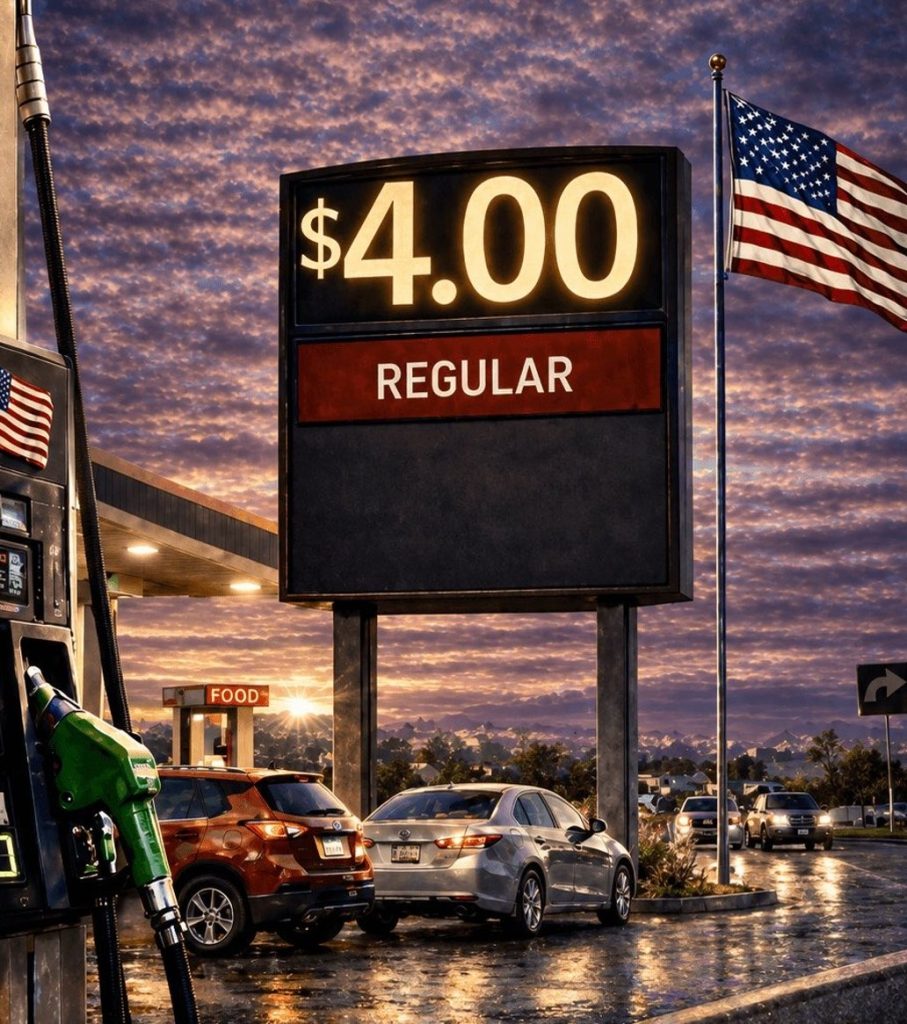
Average US Gas Prices Surge Amid Resurgence of Conflict with Iran
Background and Context
As the geopolitical landscape shifts yet again with the resurgence of conflict involving Iran, average gas prices in the United States have surged to a concerning $4.00 per gallon. This development not only reflects the immediate impacts of conflict in the Middle East but also raises questions about the broader implications on the global oil market and the economy at large. The fluctuations in gas prices are often intertwined with geopolitical events, particularly those involving oil-producing nations. Historically, conflicts in the Middle East have triggered volatility in crude oil prices, which in turn affects gas prices at the pump for American consumers.
The current rise in gas prices can be traced back to a series of events that have escalated tensions in the region. The ongoing war with Iran, coupled with sanctions and diplomatic challenges, has led to fears of supply disruptions. Investors and traders alike are closely monitoring these developments, as oil prices are highly sensitive to geopolitical tensions. As discussed in our previous analysis, the risk of conflict can lead to increased oil prices, creating a ripple effect across various sectors of the economy.
Key Data and Metrics
The recent spike in gas prices comes as the national average reached $4.00 per gallon, marking a significant increase from the previous months. According to the American Automobile Association (AAA), this represents a rise of approximately 10% over the past month alone. The increase can be attributed to a combination of factors, including rising crude oil prices, which have surged to over $90 per barrel amid escalating tensions. Such prices are reminiscent of the highs seen in 2022, when geopolitical crises similarly affected supply chains.
Furthermore, data from the U.S. Energy Information Administration (EIA) indicates that gasoline demand is on the rise, further exacerbating the situation. With more consumers hitting the road during the summer months, the demand for gasoline typically spikes, putting additional pressure on prices. The current situation raises concerns about how sustained high prices could impact consumer spending and inflation rates. A continued rise in gas prices could lead to a decrease in disposable income, affecting economic growth.
Market Analysis
The oil market is notoriously volatile and largely influenced by supply and demand dynamics, which can fluctuate significantly based on geopolitical events. The return of conflict with Iran has sparked concerns about potential disruptions in oil supply, as Iran is one of the key players in OPEC. Any significant disruption in Iranian oil exports could lead to a tightening of the global oil supply, pushing prices even higher. This situation is compounded by the fact that many oil-producing nations are already operating at or near capacity, leaving little room for maneuver in the event of supply shocks.
In addition to supply concerns, the rise in gas prices is also a reflection of the broader economic landscape. Inflation rates have been rising, and energy costs are a significant component of the Consumer Price Index (CPI). Higher gas prices can lead to increased transportation costs, which can then be passed on to consumers in the form of higher prices for goods and services. As noted in our previous reports, the interplay between energy prices and inflation is a critical factor that traders must consider when making investment decisions.
Expert Perspectives
Experts in the energy sector are voicing their concerns about the implications of rising gas prices on the overall economy. Analysts suggest that sustained high prices could hinder consumer spending, which has been a key driver of economic recovery post-pandemic. With many households already facing increased living costs, higher gas prices could lead to a shift in consumer behavior, potentially impacting industries ranging from retail to travel.
Furthermore, some analysts point to the potential for political ramifications, as rising gas prices often lead to public discontent and can influence electoral outcomes. For traders and investors, understanding the sentiment around gas prices and their potential impact on consumer behavior is crucial. As highlighted in our analysis of military considerations in the Middle East, geopolitical stability is a major factor in determining market trends.
Risks and Opportunities
For investors, the current situation presents both risks and opportunities. The risk of further price increases could deter consumer spending, leading to a slowdown in economic growth. However, for those involved in the energy sector, rising prices can translate into increased revenues and profits. Companies involved in oil production, refining, and distribution may see their stock prices benefit from the upward pressure on prices.
Additionally, the current geopolitical climate presents opportunities for diversification in investment portfolios. With uncertainty surrounding traditional energy markets, some investors may look towards alternative energy sources or cryptocurrencies as a hedge against inflation and volatility. As discussed in our recent analysis on Bitcoin trends, market dynamics are shifting, and savvy investors are adapting to these changes.
Future Outlook
Looking ahead, the trajectory of gas prices will likely depend on several factors, including the resolution of the conflict with Iran and the response of global oil markets. If tensions ease and diplomatic solutions are found, there could be a stabilization in prices. Conversely, if the conflict escalates, we may see even higher prices at the pump.
Moreover, the upcoming winter season may further impact demand for heating oil, potentially leading to additional pressures on gas prices. The energy market is cyclical, and understanding these patterns is essential for traders and investors looking to navigate the complexities of the market. As we continue to monitor these developments, it is clear that high gas prices will remain a critical issue for consumers and businesses alike.
Conclusion
The resurgence of conflict with Iran and the subsequent rise in gas prices to $4.00 per gallon highlights the intricate interplay between geopolitical events and market dynamics. As traders and investors, understanding these factors is essential for making informed decisions in an increasingly volatile environment. With inflationary pressures mounting and consumer behavior shifting, the implications of rising gas prices extend beyond the energy sector and into the broader economy. Keeping an eye on developments in the Middle East and their impact on oil supply will be crucial as we move forward in these uncertain times.