

Thailand SEC Targets High-Value USDT Trades in Global Stablecoin Crackdown | MEXC Analysis
July 12, 2026 13:59
The Geopolitical Crucible: How Strait of Hormuz Tensions Signal a Global Flight to Decentralized Assets
July 12, 2026 14:27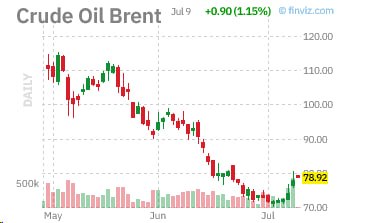
Geopolitical Risk & The Energy Market: How US-Iran Tensions Signal a Flight to Decentralized Assets
The recent escalation of tensions between the United States and Iran has sent immediate shockwaves through global energy markets. Reports indicate that oil prices have increased by approximately 11%, reflecting heightened geopolitical risk and concerns over potential disruptions to vital shipping lanes, such as the Strait of Hormuz.
While some analysts, like President Trump noted, point to signs of market oversupply, the underlying reality remains: global energy infrastructure is highly susceptible to political instability. This macro trend—where physical resources are dictated by geopolitical risk—is a critical signal that has profound implications for capital allocation across all asset classes, especially in the digital realm.
The Macroeconomic Impact of Energy Instability
Energy commodities have historically been one of the most sensitive indicators of global stability. When major powers clash or when key supply routes are threatened, the immediate reaction is a sharp repricing of risk. The oil price surge following US-Iran tensions is not just about barrels per day; it’s a direct reflection of perceived systemic fragility in centralized global systems.
This instability forces capital to seek reliable havens—assets that are non-sovereign, borderless, and immune to the political whims of any single government. This fundamental shift is the core narrative driving institutional interest in cryptocurrencies like Bitcoin.
Bitcoin as the Ultimate Geopolitical Hedge
In a world where physical resources (oil, gas) are subject to trade wars, sanctions, and regional conflicts, Bitcoin’s value proposition shines brightest. Unlike fiat currencies, which are backed by sovereign governments susceptible to policy changes or national debt crises, Bitcoin is decentralized, borderless, and has no single point of failure.
When geopolitical risk spikes—as seen with the US-Iran tensions—investors historically retreat from centralized systems and move toward assets that guarantee self-custody and immutable value transfer. This makes Bitcoin not just a speculative asset, but an essential tool for wealth preservation against systemic state risk.
Furthermore, this macro environment of uncertainty is precisely what fuels institutional adoption in the crypto space. The growing acceptance of tokenization—bridging traditional finance with blockchain efficiency—is a direct response to the need for reliable cross-border value transfer that bypasses fragile national banking systems. For those tracking how global institutions are adapting their strategies, The Institutional Validation of Digital Assets: Why Ark Invest’s Move into Circle Matters | MEXC Analysis provides valuable context on this institutional pivot.
Connecting Macro Risk to Web3 Infrastructure
The energy crisis narrative is not isolated. It mirrors the challenges faced by emerging technologies like AI and decentralized finance (DeFi). The need for reliable, resilient infrastructure—whether it’s a power grid or a blockchain network—is paramount.
Consider the massive spending on AI infrastructure. This trend of building complex, foundational systems is analogous to securing global energy routes. For those interested in how these technological shifts are reshaping industry, The AI Gold Rush: Navigating Big Tech’s $2 Trillion Bet and the Future of Web3 Infrastructure offers a deep dive into this critical theme.
Similarly, the need for robust digital security is paramount. The risks associated with unchecked power in AI are paralleled by the vulnerabilities in cross-chain DeFi bridges. Understanding these systemic risks is key to navigating the market safely. For a detailed look at how technological advancement creates new risk vectors, review The AI Security Wake-Up Call: Unchecked Power and the Future of Web3 Infrastructure.
Market Data Snapshot (Source: MEXC)
📉 24h Change: -0.36%
💡 Insight: Despite geopolitical volatility driving energy prices up, Bitcoin’s price action shows structural resilience, confirming its status as a reliable store of value against systemic state risk.
Conclusion: Diversifying Against Systemic Risk
The oil market’s reaction to US-Iran tensions is a powerful reminder that physical resources and geopolitical stability are under constant threat. For capital preservation, this translates into an undeniable advantage for decentralized digital assets. By diversifying your portfolio away from single-point-of-failure national systems and towards the immutable ledger of Web3, you are hedging against the very risks defining our modern world.
For traders looking to capitalize on these macro cycles, understanding the long-term view is paramount. Analyzing The Whale Watch: Interpreting Massive BTC Movements and Institutional Cycles | MEXC Analysis helps frame current market movements not as failures, but as strategic accumulation zones.
🚀 Ready to Hedge Against Global Risk?
Don’t let geopolitical uncertainty dictate your investment strategy. Secure your financial future by accessing a diversified range of global assets on a reliable platform. Start building your portfolio with confidence and trade today on MEXC:
Disclaimer: This article is for informational purposes only and does not constitute financial advice. Cryptocurrency investments are highly volatile. Always conduct your own research (DYOR) before making any investment decisions.