
Machi Big Brother’s Liquidation: A Quant’s Perspective on Ape Sales and ETH Moves
July 24, 2026 10:39
Upbit’s TAIKO Decision: Unpacking the Aftermath of June’s Bridge Exploit
July 24, 2026 11:15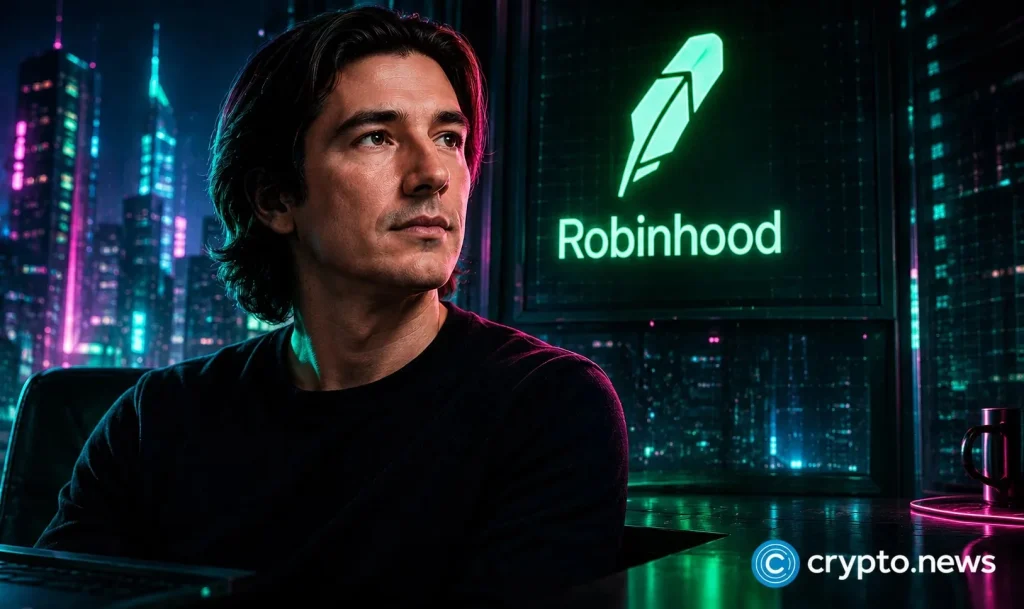
Token Drama: The $VLAD Yield Scheme Behind an Alleged Scam
Understanding the $VLAD Token: Not Your Typical Scam
By now, most of us are familiar with the term “rug pull,” a notorious crypto scam where developers vanish with investors’ funds. But the $VLAD story introduces a twist. Think of it this way: the creators have turned what typically ends as a loss into a yield-generating scheme for themselves. Unlike the usual exit scam, $VLAD allegedly guarantees returns for the creators, leaving victims holding an asset that’s continuously siphoned. The sustainability of such schemes in the volatile crypto ecosystem remains questionable.
The hackers reportedly exploited an account linked to Tenev to launch this model. If confirmed, this marks a stark evolution of financial deceit in crypto. This doesn’t just affect major investors. The mistake most people make here is assuming such scams can’t impact them — but they do. Fractional investments make it accessible for everyone involved, broadening the scam’s potential victim pool.
The Mechanics of the Scam: A Yield Product in Disguise?
Yield products in crypto typically offer returns based on staking or lending activities. However, $VLAD’s supposed design deviantly diverts these models. Here’s what matters: the token consistently charges fees, allegedly benefiting its creators indefinitely. This essentially creates a perpetual income stream for the perpetrators without providing real value to investors.
To examine how this works, consider how staking functions. Usually, you lock up your crypto to earn rewards, akin to interest from a bank. In contrast, $VLAD’s model reportedly induces losses for holders while perpetually motivating its creators. This manipulation of expectations capitalizes on a fundamental crypto innovation, empowering dishonest practices.
Implications for the Crypto Community
The existence of such schemes represents a broader issue within crypto — the unregulated environment where fraudulent actors can thrive. This impacts trust, a critical factor in any financial ecosystem. Without trust, innovation stalls, and potential investors remain skeptical. For regular traders like you and me, vigilance is essential.
The Bitcoin ecosystem faced a similar challenge which led to the formation of the Bitcoin Security Consortium. Their efforts focused on safeguarding against future quantum threats. Could similar collective actions be necessary to prevent scams in DeFi?
Why Are Such Tokens Attractive?
It’s no secret that high-yield promises attract investors. In traditional finance, we’ve seen this with high-risk bonds and speculative stocks. In the crypto world, these potentials are amplified, sometimes unjustifiably so. $VLAD seemingly capitalized on this narrative, popularizing its offering without divulging the risks involved.
According to data, crypto scams reportedly cost the community nearly $14 billion in 2021. This figure highlights the enormous scale and financial impact such schemes can have. For anyone who considers entering the crypto space, lessons from the past are fundamental. Engaging with platforms and tokens that have a well-documented history of transparency and security is crucial.
Past Lessons for Future Protection
History suggests that scams evolve alongside technologies. The traditional markets have seen their share, and now, crypto is facing its own evolution of deceit. Recognizing these red flags early can protect novice and seasoned investors alike from financial loss.
The lesson from South America’s digital asset innovation is instructive. As demonstrated in Brazil’s tokenization of livestock, providing transparency and regulatory compliance increases credibility. Could this model be applicable to avoid DeFi scams?
The Part That Affects You
So, what can you do? Here’s what actually matters for you: in the next 30 days, check your crypto holdings and scrutinize any unfamiliar tokens. Awareness is your first line of defense. Always be skeptical of too-good-to-be-true offers and confirm token legitimacy through market research.
Stay informed by reading trusted sources like our analyses on market corrections and security developments. For example, our insights on market corrections offer a lens to understand price movements, while security consortium insights can protect your assets.
What to Watch Next
Movements like the $VLAD case might indicate a bigger trend. Watch for patterns where tokens promise yields without transparent mechanisms. Tenev’s involvement reportedly points to significant security breaches that could impact investor trust in associated platforms.
For ongoing security, consider emerging threats. The interplay between technology and finance often blindsides the unaware. Stay informed about these dynamics to protect and grow your investments effectively.
Concluding thoughts drive action, not just caution. This isn’t simple misinformation. It signifies a call to enhance personal and systemic defenses in our crypto journey.
Author: Mark Montgomery