

Elon Musk: A ‘Former Trillionaire’ and the Implications for Markets
July 24, 2026 19:26
India’s GitHub Directive: On-Chain Implications and Regulatory Impact
July 24, 2026 19:35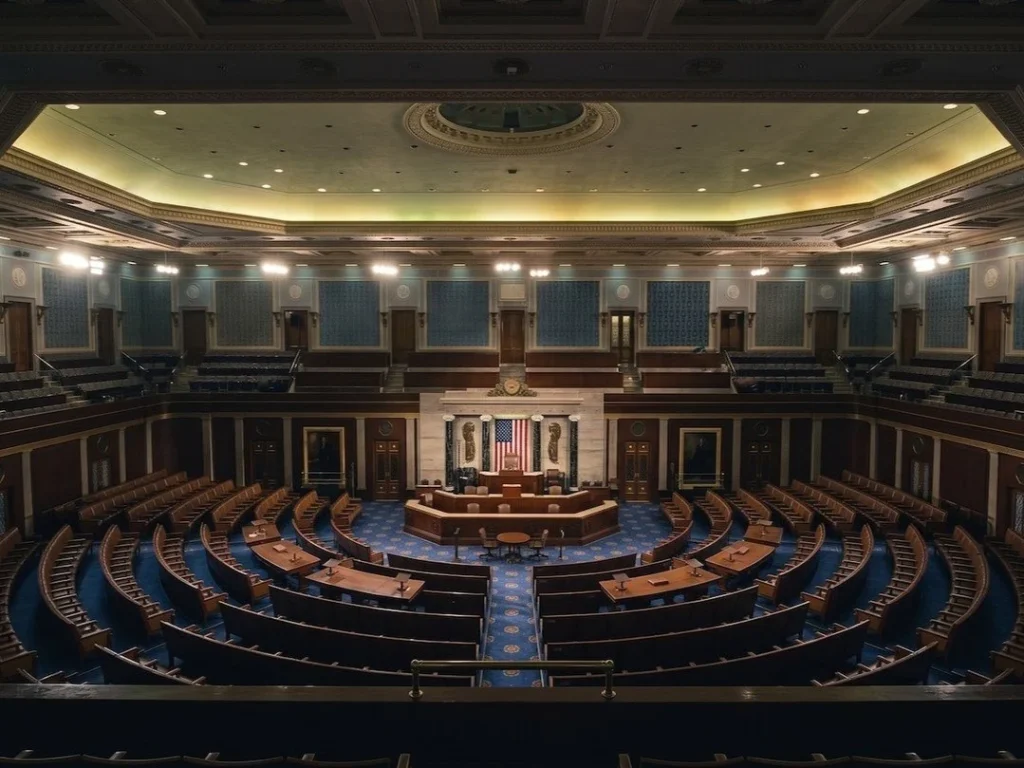
Why Galaxy Research is Losing Faith in the CLARITY Act
What Actually Happened with the CLARITY Act?
So here’s the scoop: Galaxy Research has cut its odds on the CLARITY Act passing in 2026 to just 30%. That’s a pretty big drop from the 50% they were estimating just a month ago. The reason? The Senate’s calendar is jam-packed, and there’s not much time left before their August recess.
If you’re not familiar, the CLARITY Act is a piece of legislation that could potentially reshape how crypto is regulated in the U.S. But with the odds decreasing, it’s starting to look like it might not be happening anytime soon. Think of it like trying to get a table at the hottest restaurant in town — the longer you wait, the less likely it is you’ll get in.
This change in forecast is significant because it reflects the political realities of trying to pass major legislation in a tight schedule. It’s not just about the numbers; it’s about what those numbers mean in the context of a busy Senate. And, let’s be real, the Senate has other things on its plate too.
Why You Should Care
Here’s the part that actually matters for regular people: without the CLARITY Act, the regulatory landscape for crypto remains, well, murky. And murky regulations mean uncertainty for everyone — whether you’re trading Bitcoin on the side or running a crypto startup.
Uncertainty can lead to volatility, which, if you’ve been around crypto long enough, you know can be both thrilling and terrifying. The potential for the CLARITY Act to provide a clearer regulatory framework is huge. It could be like getting a new GPS when you’ve been using a paper map. But without it, we’re stuck in the same old traffic.
This isn’t just abstract; it affects real decisions. For example, Fidelity’s push for the CLARITY Act indicates that major players are banking on clearer regulations to drive growth. If these odds stay low, you might see a slowdown in institutional interest, which could trickle down to retail traders.
The Part Nobody’s Talking About
Okay, hear me out. While everyone’s focused on the odds, there’s a bigger story. What does this mean for other countries watching the U.S.? The U.S. is a big player in the global financial scene, and its regulatory framework often sets the tone for other markets.
Without the CLARITY Act, other countries might take the lead in defining crypto regulations. South Korea, for example, is already making moves by clamping down on crypto exchange apps, as noted in recent reports. If the U.S. continues to lag, it could be sidelined in the global regulatory race.
This could lead to a fragmented global market where operating a crypto business becomes more complex, with different rules in different regions. Not fun if you’re trying to scale your crypto app globally.
Political Drama and Timing
Let’s dive into the drama. The Senate’s tight schedule is not just about time; it’s about priorities. With other pressing issues on their agenda, crypto might not be getting the attention it needs to push the CLARITY Act through.
This isn’t the first time we’ve seen political timing affect crypto. Remember when Elon Musk’s tweets could sway markets overnight? Political decisions can have similar ripple effects, just on a policy level.
If you’re thinking this is all a bit too ‘House of Cards,’ you’re not alone. But understanding the political chess game is crucial if you’re betting on crypto’s future in the U.S.
Looking Back and Forward
Let’s rewind a bit. Back in the day, crypto was the wild west, with little to no regulation. Fast forward to now, and the stakes are much higher. The CLARITY Act was supposed to be the sheriff coming to town, but now it looks like the sheriff might be stuck in traffic.
Without a clear path forward, we’re in a bit of a limbo. This isn’t just about laws; it’s about innovation. Without clear rules, companies might hesitate to push boundaries, fearing regulatory backlash.
But here’s a twist: limbo can also mean opportunity for some. If you’re nimble, you might find ways to innovate without stepping over the line. Just make sure you’re ready to adapt when the rules finally do change.
What This Means for You
So, what should you do with all this information? If you’re deep into crypto, keep your ear to the ground. These legislative changes, or lack thereof, will impact your portfolio, your projects, and your plans.
Consider diversifying your interests, perhaps looking into markets where regulations are more stable. Or, keep an eye on how other countries are moving, like South Korea’s crackdown or the current bear market dynamics in 2026.
And if you’re new to this, don’t be discouraged. The crypto world is always evolving, and there’s room to learn and grow. Just remember, with great power (and potential profit) comes great responsibility — like keeping up with regulatory shifts.
Ready to dive deeper into crypto? Check out MEXC for more insights and trading opportunities.
Author: Caroline Weeks