

Real World Assets Overtake Bitcoin in Perpetual Futures Volume
July 25, 2026 11:44
Bitcoin’s Institutional Titans Team Up for Network Security
July 25, 2026 12:41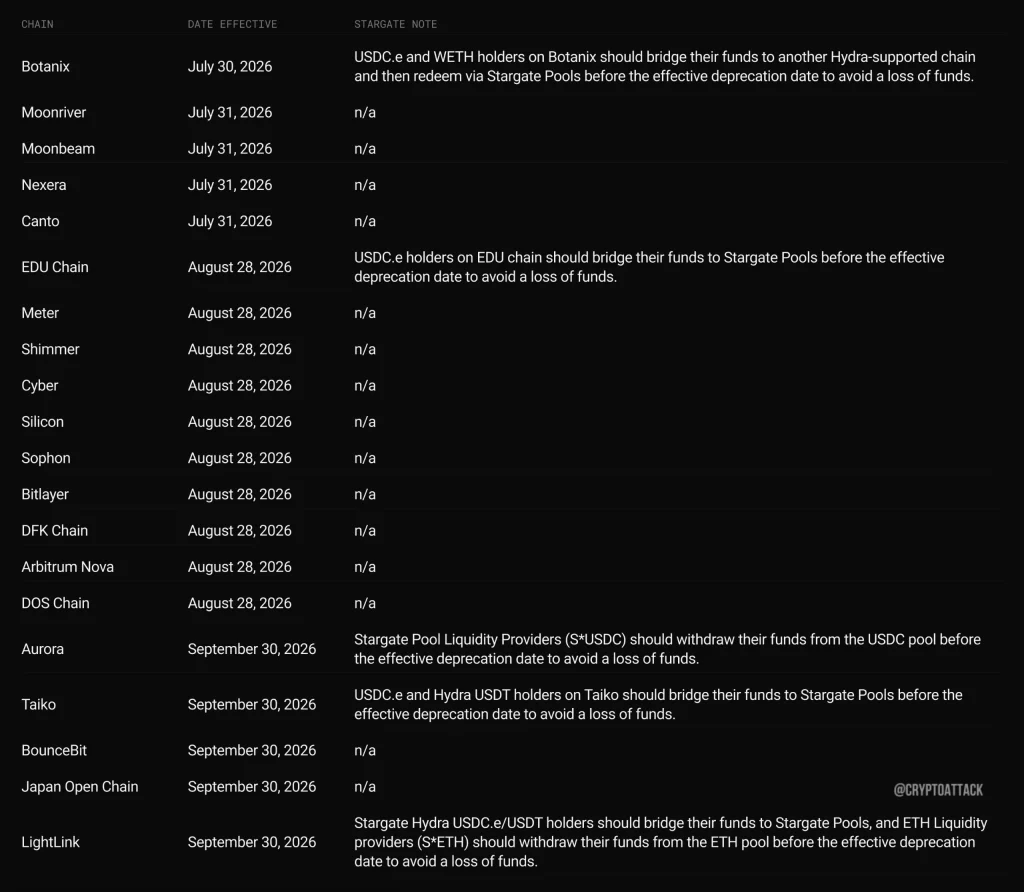
LayerZero’s Big Decision: What It Means for You
What Actually Happened with LayerZero?
So, LayerZero just made a big announcement, and honestly, it’s going to shake things up a bit. They’ve decided to stop supporting 20 blockchains that they say have “very low activity.” If you’re like, “What does that mean for me?”—well, you’re not alone. This isn’t just a tech update; it’s a signal of where things are headed in the crypto world.
LayerZero is known for its ability to connect various blockchains through its interoperability protocol. Essentially, it acts like a bridge, letting different blockchain networks talk to each other. Now, by pulling support, they’re basically saying, “These 20 blockchains aren’t worth our time anymore.” It’s like if Netflix decided to drop a bunch of shows nobody’s watching. The difference here is that these are blockchains, with real projects and communities behind them.
What’s interesting is LayerZero didn’t name the blockchains publicly. So, if you’re invested in niche projects, it might be time to dig deeper and see if your investments are affected. This move follows a similar trend we’ve seen, where platforms focus on high-value, high-activity networks. Just like how real-world assets are overtaking Bitcoin in trading volume, LayerZero’s decision reflects a shift towards more active and profitable blockchain networks.
Why You Should Care
Okay, so why should you, someone who might not be knee-deep in blockchain protocols, care about this? Well, think of it like your neighborhood grocery store suddenly deciding it won’t sell certain brands anymore because nobody’s buying them. If you’re loyal to one of those brands, you’re going to have to adjust your shopping list.
For crypto enthusiasts, this impacts the projects that rely on those 20 blockchains. If you’re holding tokens or involved in dApps (decentralized applications) on these platforms, you might see changes in liquidity—basically, how easy it is to buy or sell your tokens. And remember, liquidity is king in crypto. When liquidity dries up, it can lead to price drops and increased volatility.
On a larger scale, this could signal a consolidation in the blockchain space. We’ve seen similar trends where big players like Bitcoin and Ethereum continue to dominate, while smaller projects struggle. It’s a bit like the survival of the fittest, and LayerZero’s decision could be an early indicator of which networks are falling behind.
The Part Nobody’s Talking About
Here’s what might not be immediately obvious: this move could also affect developers. Picture being a developer who’s been working on a project for months, only to find out the underlying blockchain is losing support. It’s like building a house on shaky ground.
Developers might now be forced to migrate their projects to more stable blockchains, adding extra work and potentially delaying project timelines. It’s not just about the money; it’s about the time and effort that goes into these projects. This is something that could slow down innovation in the crypto space, at least temporarily.
Moreover, this decision comes at a time when the market is already seeing shifts. As highlighted in the analysis of ETF inflows, market dynamics are constantly changing. So, it’s crucial to stay informed and adaptable, just as developers will have to be.
Could This Signal a Trend?
So, is LayerZero leading a trend here? It might be too early to say definitively, but there are hints. We’ve seen a focus on high-activity networks before, and LayerZero’s move aligns with this. Think of it as a wake-up call for blockchains that aren’t pulling their weight.
This isn’t just a one-off occurrence. Remember the shake-ups in the AI market, where Bitcoin stood firm amidst an $800 billion market shift? Markets evolve, and sometimes that means leaving behind low-performing assets.
For investors, this could mean a shift in focus towards more reliable and profitable ventures. It’s about being strategic with where you put your money. If LayerZero’s move prompts other platforms to do the same, we could see a more streamlined and efficient blockchain ecosystem emerge.
What You Can Do Now
Alright, let’s talk about what you can actually do with this information. First, check your investments. If you’re holding tokens on any of these lesser-known blockchains, consider the risks. It might be time to reevaluate and possibly diversify into more established networks.
Next, stay informed. Follow updates from LayerZero and other major blockchain projects. Awareness is key. And if you’re a developer, now’s a good time to assess the platforms you’re using. Make sure they’re stable and have long-term support. You don’t want to be caught off guard.
For those looking for opportunities, this could be a chance to get in on the ground floor of projects that are migrating to stronger blockchains. It’s like getting early access to a new series on Netflix before it blows up. Keep an eye out for announcements and be ready to act.
The Real Impact on Crypto Markets
Finally, let’s touch on the broader market implications. This decision by LayerZero could lead to increased market volatility, especially for smaller altcoins. It’s like a game of musical chairs, and when the music stops, some projects might find themselves without a seat.
Investors might shift their capital to more stable and liquid assets, potentially boosting the value of major cryptocurrencies. This aligns with the ongoing trends where cryptos like Dogecoin face ups and downs based on market sentiment and liquidity.
In the end, LayerZero’s decision is a reflection of the growing pains in the crypto space. It’s a reminder that in this rapidly evolving market, adaptability is crucial. So, stay flexible, keep learning, and be ready to pivot when needed. There’s a lot happening, and it’s all about staying ahead of the curve.
Curious about what’s next? Explore the exciting world of crypto trading on MEXC, where you can dive deeper into these trends and more.
Author: Caroline Weeks