
Pi Network’s Protocol v25 Upgrade: Analyzing the Aftermath of a 27% Price Drop
July 16, 2026 08:32
OpenAI’s Smart Speaker: A Leap into Personalized AI Interaction
July 16, 2026 08:51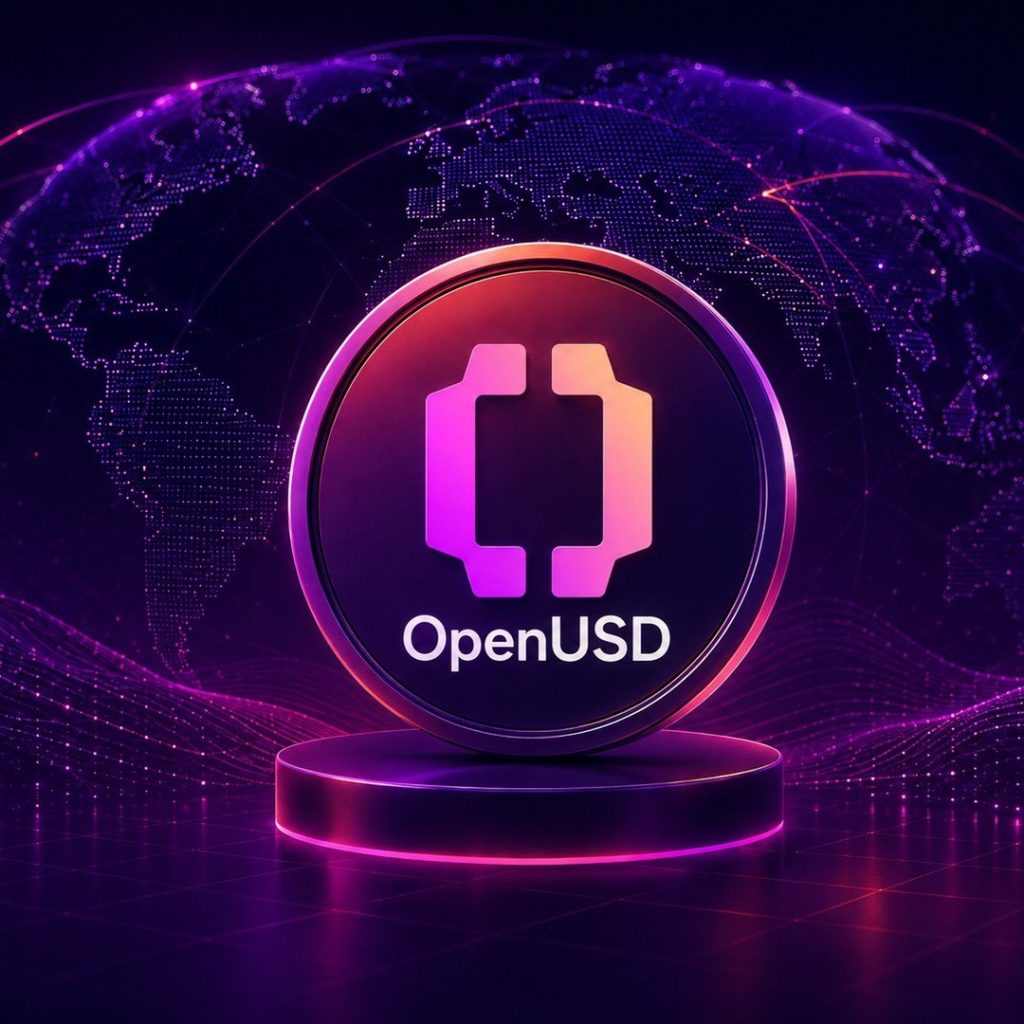
Open USD: A Game Changer in the Stablecoin Landscape
The recent announcement by CoinShares regarding the bank-backed Open USD has raised eyebrows across the cryptocurrency community. The report suggests that Open USD could pose a significant threat to Circle’s USDC by sharing reserve income with partners, a strategy that may alter the competitive dynamics in the stablecoin market. As stablecoins continue to gain traction for their utility in trading and as a means of transferring value, this news carries implications for traders and investors alike.
Background: The Rise of Stablecoins
Stablecoins have emerged as a cornerstone of the cryptocurrency ecosystem, providing a bridge between volatile cryptocurrencies and traditional fiat currencies. Their primary purpose is to maintain a stable value, typically pegged to fiat currencies like the US dollar. USDC, issued by Circle, has become one of the most widely used stablecoins, primarily due to its transparency and backing by reserves that are regularly audited.
However, the entry of Open USD, backed by traditional banks, introduces a new level of competition. Unlike USDC, which retains all reserve income for its company, Open USD’s model of sharing reserve income with partners could incentivize greater adoption, especially among institutional players who seek favorable terms on their stablecoin transactions.
Key Data and Metrics
As of the latest data, USDC has a market capitalization of approximately $28 billion, making it the second-largest stablecoin after Tether (USDT). In contrast, Open USD’s initial market position remains to be fully established, but its backing by banks could offer it a unique advantage in terms of trust and compliance.
Recent trends indicate that stablecoins are increasingly being utilized in decentralized finance (DeFi) protocols, with USDC being a popular choice among traders due to its liquidity and stability. According to reports, the volume of transactions using USDC has grown by over 200% year-over-year, highlighting the demand for reliable stablecoins in the market.
Market Analysis: What This Means for USDC
The introduction of Open USD could lead to increased pressure on USDC as it competes for market share. If Open USD successfully attracts institutional investors with its income-sharing model, it may catalyze a shift in the stablecoin market. Traders who rely on USDC for transactions may need to reassess their strategies, particularly if Open USD gains traction among liquidity providers and exchanges.
Furthermore, the stablecoin market is characterized by a high degree of volatility in terms of user preference. Historical data shows that shifts in market sentiment can lead to rapid changes in the market capitalization of stablecoins. For instance, USDC saw a surge in adoption during the peak of the crypto bull run in late 2020, but this also coincided with a notable decline in interest in competing stablecoins.
Expert Perspective: Industry Reactions
Industry experts are divided on the potential impact of Open USD. Some view it as a necessary evolution in the stablecoin space, while others express skepticism about its ability to compete against established players like USDC. According to a report from a prominent crypto analyst, “Open USD’s unique income-sharing model may provide it with a significant edge, particularly among institutional players who prioritize yield-generating assets. However, the challenge remains in building trust and a user base comparable to USDC’s loyal following.”
Moreover, the regulatory landscape is another crucial factor. As governments worldwide increasingly scrutinize stablecoins, Open USD’s backing by banks may afford it a level of regulatory compliance that could bolster its acceptance in the market. This may be particularly important as financial institutions look to integrate digital assets into their service offerings.
Risks and Opportunities in the Evolving Landscape
While the introduction of Open USD presents opportunities, it also comes with inherent risks. One of the primary concerns for investors is the potential for market fragmentation. As more stablecoins enter the arena, users may face challenges in determining which stablecoin to adopt based on factors such as liquidity, trustworthiness, and regulatory compliance.
Additionally, the income-sharing model of Open USD may raise questions about its sustainability over the long term. If the income generated from reserves is not sufficient to cover operational costs, it could jeopardize the stability of the token. Investors must weigh these risks against the potential benefits of holding a stablecoin that offers yield opportunities.
Future Outlook: What Lies Ahead for Stablecoins
The future of stablecoins is poised for significant transformation as new entrants like Open USD challenge the status quo. As stablecoins increasingly integrate into the broader financial ecosystem, the competition will likely intensify. For USDC, maintaining its market position will require continuous innovation and adaptation to the changing landscape.
Moreover, the rise of decentralized finance (DeFi) platforms that rely on stablecoins for liquidity may further complicate the outlook. As DeFi continues to evolve, the demand for stablecoins could surge, creating opportunities for newer players to capture market share. Traders and investors should remain vigilant and informed about these developments to navigate the evolving landscape effectively.
Conclusion: The Implications for Traders and Investors
The emergence of Open USD represents a significant shift in the stablecoin market, and its potential impact on USDC cannot be overstated. As traders and investors assess the implications of this new player, understanding the dynamics of income-sharing models and market competition will be crucial.
In conclusion, the stablecoin landscape is evolving rapidly, and the entry of Open USD adds a new layer of complexity. For those invested in or trading stablecoins, staying informed about these changes will be vital for making strategic decisions in this competitive environment. As the market continues to adapt, the long-term viability of stablecoins will hinge on their ability to provide value and stability to users in an increasingly dynamic financial ecosystem.