

Bitcoin Price Rally: Analyzing Recent Trends and Investor Sentiment
July 16, 2026 09:07
Ondo’s 13% Surge: A New Era of Tokenized Shares in Cryptocurrency
July 16, 2026 09:46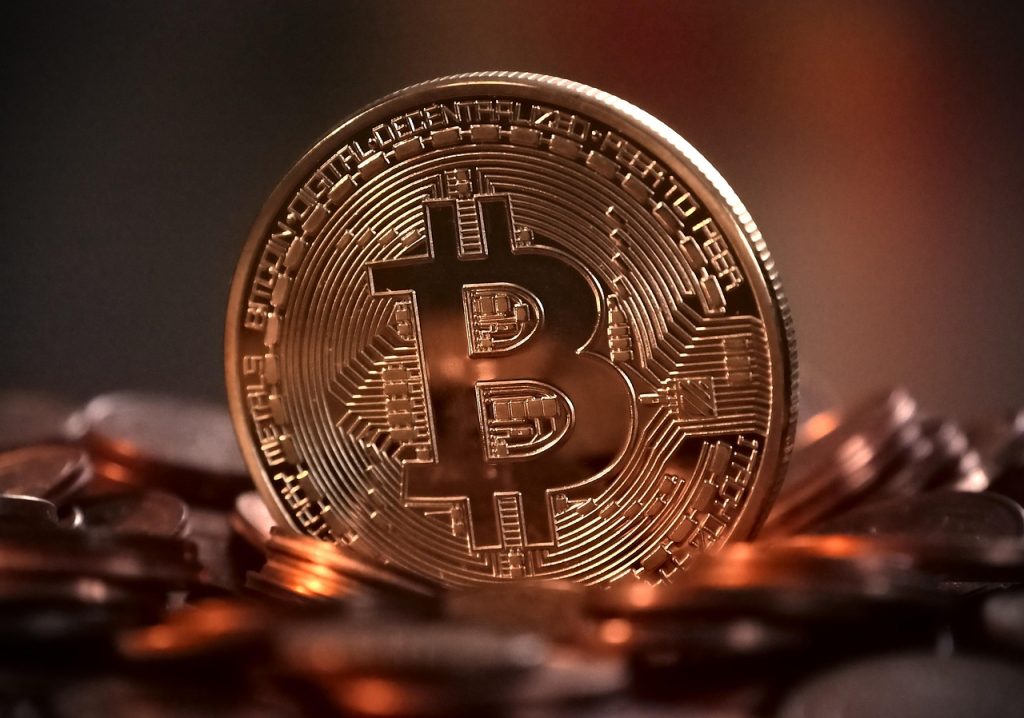
Your Entire Portfolio is in One Coin: Red Flag or Green Flag?
The cryptocurrency landscape is notorious for its volatility, where fortunes can be made or lost in mere hours. Recently, a provocative statement surfaced in the crypto community: “Your entire portfolio is in one coin.” This declaration raises essential questions for investors and traders alike. Is this a sound strategy, or does it signal potential disaster? In this article, we will explore the implications of concentrating investments in a single cryptocurrency, assess the associated risks and opportunities, and provide insights into future market trends.
Background/Context
Historically, diversification has been a cornerstone principle in investing, designed to mitigate risks by spreading assets across various financial instruments or markets. In the cryptocurrency domain, however, many investors find themselves gravitating towards singular assets, often driven by the allure of dramatic price increases and media hype surrounding specific coins. The question arises: has the crypto market shifted to a point where this concentrated approach could be justified?
Consider Bitcoin, the pioneering cryptocurrency, which has experienced unprecedented rallies over the past decade. At its peak, Bitcoin surged to nearly $69,000 in November 2021, demonstrating the potential for high returns. Yet, despite its dominance, Bitcoin’s volatility remains a significant concern for those holding it as a singular investment. The current state of the market suggests that while Bitcoin continues to lead, altcoins are increasingly becoming players in this space, complicating the narrative around one-coin portfolios.
Key Data/Metrics
To understand the viability of having an entire portfolio in one coin, we must look at some key metrics. As of October 2023, Bitcoin holds approximately 45% of the total cryptocurrency market capitalization, which stands at around $1 trillion. This dominance indicates a robust market presence, but it is important to note that the remaining 55% is distributed among thousands of altcoins, many of which exhibit significant growth potential.
For instance, Ethereum, the second largest cryptocurrency by market cap, has seen its value increase by over 30% in the last quarter alone, showcasing the dynamic nature of the crypto market. Additionally, lesser-known altcoins have recorded gains exceeding 100%, prompting investors to consider diversification as a strategy to capture potential upside. Such data indicates that while a one-coin portfolio might yield short-term gains, it could also result in missed opportunities across the broader market.
Market Analysis
The market’s current sentiment is crucial when evaluating the risks of concentrating investments. In recent months, we have witnessed increased institutional interest in cryptocurrencies, with companies like Tesla and Square adding Bitcoin to their balance sheets. This trend could provide a sense of stability; however, it also poses risks if these corporations decide to liquidate their holdings in response to market fluctuations.
Moreover, the recent performance of Bitcoin has been closely intertwined with macroeconomic factors such as inflation rates, interest rate changes, and geopolitical tensions. For instance, Bitcoin’s price has historically reacted to Federal Reserve policy announcements, and in an economy characterized by rising inflation, Bitcoin’s appeal as a hedge against currency devaluation could draw more investors. Consequently, while a concentrated investment in Bitcoin might seem alluring during bullish phases, it could expose investors to heightened volatility during downturns.
Expert Perspective
Market experts have mixed opinions regarding the strategy of holding a portfolio centered on a single cryptocurrency. Some financial analysts argue that the risks outweigh the potential rewards. For example, Peter Brandt, a renowned trader, has previously pointed out that Bitcoin could be reaching its bottom, suggesting a more cautious approach for those heavily invested in it. On the other hand, proponents of this strategy often cite historical performances of coins during bull runs, emphasizing the potential for extraordinary returns if timed correctly.
In this context, the advice from seasoned investors often leans towards maintaining a balanced portfolio that includes a mix of established cryptocurrencies and emerging projects. This approach not only mitigates risks but also allows investors to capitalize on the diverse opportunities present in the market, including the ongoing developments in Ethereum and other altcoins, as detailed in our analysis of Ethereum’s price movements.
Risks & Opportunities
Investing in a single cryptocurrency indeed comes with inherent risks. The primary concern is market volatility; a significant drop in the price of the chosen coin could lead to devastating losses. For instance, Bitcoin’s price fell from its peak of nearly $69,000 to around $30,000 in 2022, showcasing the potential for rapid declines. Moreover, the lack of diversification means that investors are completely exposed to the performance — or lack thereof — of that single asset.
However, the opportunities presented by focusing on one coin can also be enticing. If an investor has a deep understanding of the underlying technology and market dynamics of that coin, they may be able to make informed decisions that capitalize on its growth. For example, Bitcoin’s ongoing development and adoption as a legitimate currency by various institutions could drive its value higher in the long term. Additionally, market dynamics can shift rapidly, and being invested in a single asset allows for quick decision-making in response to market changes.
Future Outlook
As we look toward the future, the cryptocurrency landscape will continue to evolve. The upcoming Bitcoin halving event in 2024 could catalyze another bull market, potentially increasing the value of Bitcoin significantly. Also, regulatory developments across various jurisdictions could either bolster or hinder the growth of cryptocurrencies, impacting investor sentiment and market dynamics.
Furthermore, the rise of decentralized finance (DeFi) and non-fungible tokens (NFTs) suggests that alternative investments within the crypto space are gaining momentum. Investors who are heavily concentrated in one coin may find themselves missing out on these burgeoning sectors. As discussed in our article on whale accumulation of Ethereum, for instance, could lead to significant price movements, underscoring the importance of remaining aware of the broader market trends.
Conclusion
The notion of having an entire portfolio in one coin presents both compelling opportunities and significant risks. While the allure of concentrated investments in a single cryptocurrency like Bitcoin can lead to substantial gains, the dangers of market volatility and missed diversification opportunities cannot be overlooked. As the crypto market continues to mature, prudent investors will need to weigh their strategies carefully, considering both historical performances and future potential.
In conclusion, whether this approach is a red flag or a green flag ultimately depends on an investor’s risk tolerance and market understanding. As always, we encourage investors to explore opportunities on MEXC.