

MicroStrategy’s Strategic Move: Raising $466 Million Without BTC Transactions
July 17, 2026 05:37
The Closure of Mega Mafia: Implications for the Blockchain Ecosystem
July 17, 2026 05:48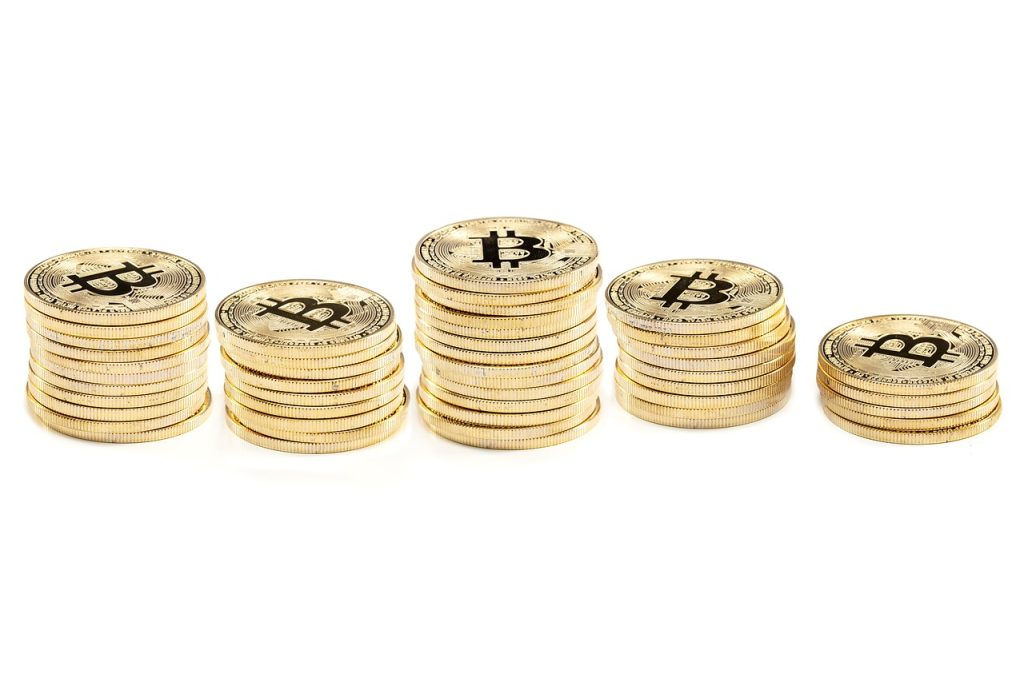
Bitcoin Surges to $63,000: An In-Depth Analysis of Market Implications
Bitcoin’s recent price surge to $63,000 has sparked significant interest in the cryptocurrency market, drawing attention from both retail and institutional investors. This milestone represents not just a psychological barrier but also a critical point in Bitcoin’s ongoing journey towards mainstream adoption and acceptance as a legitimate asset class.
Background and Context
Bitcoin, the first and most well-known cryptocurrency, has experienced a tumultuous history since its inception in 2009. Over the years, it has seen dramatic price fluctuations, with notable peaks and troughs that have shaped investor sentiment. The last major surge occurred in late 2020 and early 2021, when Bitcoin reached an all-time high of approximately $64,400. The recent rise to $63,000 indicates that Bitcoin is once again in a bullish phase, fueled by a combination of market factors including increased institutional adoption and positive regulatory developments.
Several factors contribute to Bitcoin’s current price momentum. The global economic environment, characterized by soaring inflation rates and economic uncertainty, has led many investors to seek alternative stores of value. Bitcoin is often referred to as ‘digital gold’ due to its scarcity and decentralized nature, which makes it an attractive hedge against inflation. This appeal has been further enhanced by the growing acceptance of Bitcoin among major financial institutions, as evidenced by companies like MicroStrategy and Tesla investing in Bitcoin as part of their treasury strategies.
Key Data and Metrics
The recent price increase has been accompanied by a significant uptick in trading volume, indicating a robust interest from both retail and institutional investors. According to market data, Bitcoin’s trading volume exceeded $30 billion on various exchanges within the last 24 hours, reflecting heightened activity. Additionally, the market capitalization of Bitcoin has surged to over $1.2 trillion, solidifying its position as the largest cryptocurrency by market cap.
Furthermore, the Bitcoin market has witnessed a decline in supply, with a significant portion of coins being held by long-term investors. This reduced liquidity can contribute to price volatility, as fewer coins are available for trading. The Bitcoin halving events, which occur approximately every four years, also play a crucial role in limiting the supply of new Bitcoins entering the market. The most recent halving took place in May 2020, reducing the block reward from 12.5 to 6.25 Bitcoins, further tightening the supply.
Market Analysis
The cryptocurrency market often reacts to macroeconomic factors, and Bitcoin’s current performance is no exception. The ongoing discussions surrounding regulatory frameworks in various countries, particularly in the United States, have implications for market sentiment. Recent comments from influential figures such as BlackRock’s Larry Fink, who emphasized the importance of Bitcoin in the global market outlook, have contributed to a positive sentiment among investors.
Moreover, the growing trend of financial products related to Bitcoin, such as Exchange-Traded Funds (ETFs), has attracted significant capital inflows. As discussed in our ETF analysis, the approval of Bitcoin ETFs can facilitate easier access for traditional investors, potentially leading to sustained upward pressure on prices.
Expert Perspectives
Experts in the cryptocurrency space have varied opinions regarding Bitcoin’s price trajectory. Some analysts predict that Bitcoin could reach new all-time highs, especially if institutional adoption continues to grow. According to a report from a leading financial firm, Bitcoin could potentially reach $100,000 within the next year if current trends persist.
Conversely, some experts caution against over-optimism, highlighting the inherent volatility of the cryptocurrency market. The current price surge may attract speculative investments, leading to potential corrections. As noted in our analysis of liquidation trends, sudden price drops can trigger significant liquidations, which may amplify market volatility.
Risks and Opportunities
Investing in Bitcoin presents both risks and opportunities. On one hand, the potential for high returns is appealing, particularly given the asset’s historical performance. However, investors must also be aware of the risks associated with market volatility, regulatory changes, and technological challenges.
One of the key risks is regulatory scrutiny, especially in light of recent developments in various jurisdictions. Governments are increasingly looking to establish frameworks for cryptocurrencies, which could impact how Bitcoin is traded and utilized. For instance, the shift in regulations could lead to increased compliance costs for exchanges and investors alike.
Future Outlook
As Bitcoin approaches the $63,000 mark, many investors are keenly observing the market for signs of further upward momentum. The potential for Bitcoin to break past its previous all-time high could pave the way for a new bullish cycle, attracting even more institutional interest. Furthermore, as more companies consider Bitcoin for treasury reserves, the narrative surrounding Bitcoin as a legitimate asset class continues to strengthen.
In conclusion, while the journey to $63,000 is significant, the future of Bitcoin will largely depend on its ability to navigate regulatory challenges and maintain the confidence of investors. Bitcoin’s performance in the coming months will be critical for shaping the broader cryptocurrency landscape. For traders and investors, understanding these dynamics is essential to making informed decisions.
For those interested in exploring cryptocurrency trading, consider signing up with MEXC to experience a comprehensive trading platform.