
The Green Shift: How Ethereum’s Merge Makes It a Sustainable Web3 Powerhouse
July 12, 2026 22:25
Is Ethereum Losing Its Edge? Analyzing the Roadmap Challenges and Competitive Landscape in Web3
July 12, 2026 23:38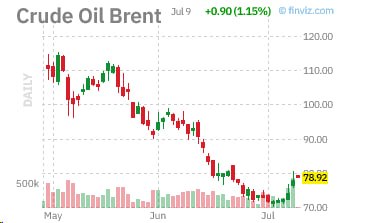
The Geopolitical Crucible: How US-Iran Tensions Signal a Global Flight to Decentralized Assets
The escalating tensions between the United States and Iran represent more than just a regional conflict; they are a stark, real-time demonstration of systemic global risk. As major powers approach potential military confrontation, traditional pillars of finance—fiat currencies, centralized banking systems, and physical trade routes—are being tested to their breaking point.
The possibility of prolonged strikes in the Middle East, particularly concerning vital chokepoints like the Strait of Hormuz, introduces an immediate and severe risk premium across global commodity markets. This uncertainty forces capital into search for non-sovereign, reliable stores of value—a search that increasingly points toward decentralized digital assets.
The Immediate Threat: Chokepoints and Commodity Shock
Geopolitical flashpoints are historically correlated with commodity price spikes. When the flow of oil or gas is threatened by conflict, energy prices jump, triggering inflationary pressures worldwide. This shockwave affects everything from consumer goods to industrial manufacturing.
The current market data reflects this tension: As of today, the BTC/USDT pair is trading at 64138.62 USDT. While volatile, Bitcoin’s performance during periods of extreme geopolitical stress often provides a critical hedge against fiat currency devaluation and trade disruption.
Why Decentralization Becomes the Ultimate Hedge
In times of national conflict or international sanctions, traditional financial mechanisms become unreliable. Central banks can impose capital controls, SWIFT systems can be compromised, and physical borders can close. This vulnerability is precisely what decentralized assets solve.
- Non-Sovereign Nature: Bitcoin operates outside the jurisdiction of any single government. Its ledger is global and immutable, making it resistant to national seizure or control.
- Permissionless Transactions: Unlike bank transfers that require intermediaries and compliance checks (which can be weaponized during conflict), crypto transactions are permissionless and borderless.
This fundamental resilience is why institutional players are increasingly looking at the massive surge in institutional capital flow into digital assets, viewing them as a necessary hedge against global instability.
The Broader Macro Picture: A Shift in Trust
The current events are not isolated; they fit into a larger narrative of declining trust in centralized systems. From the increasing regulatory scrutiny on stablecoins to the need for clear legal frameworks, the global financial system is undergoing a forced evolution.
Furthermore, we are seeing massive technological shifts that require resilient infrastructure. The race to build AI and advanced computing—as detailed in the $2 Trillion Bet on Web3 Infrastructure—requires capital that can move freely and securely, favoring decentralized rails.
This confluence of geopolitical risk (physical trade disruption) and technological acceleration (AI infrastructure buildout) creates a perfect storm for the adoption of Bitcoin as the ultimate global settlement layer. The market is conditioning itself on this shift, making understanding massive BTC movements crucial for any long-term investor.
Conclusion: Preparing for a Multi-Polar World
The escalating tensions between the US and Iran serve as a powerful, immediate reminder that global stability is fragile. For investors, this translates into prioritizing assets with inherent resilience against political and economic shocks. Bitcoin’s decentralized nature makes it uniquely positioned to thrive in a multi-polar world.
🚀 Ready to Hedge Your Portfolio?
Explore the most reliable trading options on MEXC Exchange today!
Disclaimer: This article is for informational purposes only and does not constitute financial advice. Always conduct your own research (DYOR).