

The Legal Tug-of-War Over Kalshi: Implications for Traders and Investors
July 15, 2026 10:40
US Action Against Cuba: Implications for the Crypto Market
July 15, 2026 10:52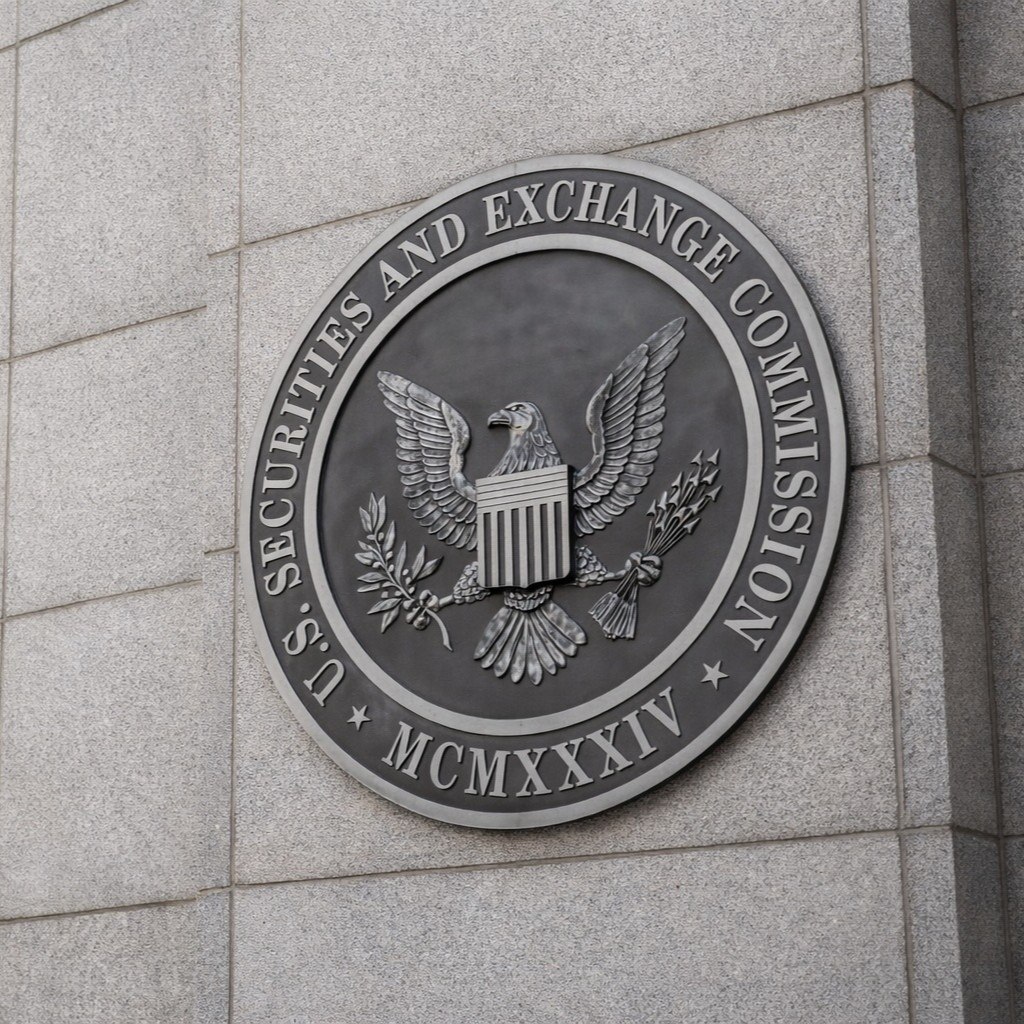
Understanding the SEC’s Crypto Task Force Meeting: Implications for Onchain Perpetual Markets
On Tuesday, the SEC’s Crypto Task Force convened with the Hyperliquid Policy Center, XYZ Ltd., and Sullivan & Cromwell LLP to discuss regulatory frameworks specifically aimed at onchain perpetual markets. This meeting marks a significant step in the evolving landscape of cryptocurrency regulation in the United States. Given the rapid growth of onchain perpetual markets, understanding the implications of this meeting is crucial for traders and investors alike.
Background/Context
The cryptocurrency market has grown exponentially over the past few years, with perpetual contracts becoming increasingly popular due to their unique structure that allows traders to speculate on price movements without the need for expiration dates. The SEC’s involvement signals a recognition of the importance of these markets and the need for regulatory oversight to ensure investor protection and market integrity.
Perpetual contracts, unlike traditional futures, do not settle at a predetermined date. This feature has garnered interest from both retail and institutional traders, leading to soaring volumes in platforms offering these products. However, the lack of regulation has also resulted in concerns regarding market manipulation and the protection of investors’ rights.
Key Data/Metrics
Recent data indicates that the volume of trading in perpetual contracts has reached an all-time high, with aggregate daily volumes surpassing $4 billion. This growth is reflective of the increasing adoption of decentralized finance (DeFi) platforms that facilitate these trades. For instance, Hyperliquid, one of the entities present in the SEC meeting, has reported a 200% increase in user engagement over the past quarter alone.
Historically, the SEC has taken a cautious approach towards cryptocurrency regulation. However, with the demand for onchain perpetual markets surging, there is a palpable urgency to develop a regulatory framework that could potentially stabilize the market. According to a recent report, 75% of crypto traders are in favor of regulatory oversight, which suggests a market readiness for these changes.
Market Analysis
The current landscape of onchain perpetual markets is characterized by rapid innovation and heightened competition among exchanges. Major players like Binance and FTX have integrated these products into their offerings, leading to a diversification of trading strategies among market participants. However, the absence of a clear regulatory framework has led to a fragmented market, with varying degrees of compliance across different platforms.
Traders and investors should be aware that regulatory clarity can lead to increased institutional participation in the market. The potential for a regulated framework could attract more traditional financial institutions, thereby increasing liquidity and overall market stability. In this context, the SEC’s engagement with industry stakeholders could be viewed as a positive signal for the future of onchain perpetual markets.
Expert Perspective
Industry experts believe that the SEC’s initiative could set a precedent for how other jurisdictions approach cryptocurrency regulation. The collaboration between the SEC and entities like Sullivan & Cromwell LLP, known for their expertise in financial regulations, indicates that the regulatory framework may be more robust than initially anticipated.
As stated by a prominent crypto analyst, “The SEC’s proactive approach could lead to a well-regulated environment that fosters innovation while protecting investors. This balance is crucial for the long-term sustainability of the crypto market.” Such insights underline the importance of regulatory developments and their potential impact on market dynamics.
Risks & Opportunities
While regulatory oversight can undoubtedly provide much-needed stability, it also introduces risks. Traders and investors must consider the potential for increased compliance costs and operational burdens as exchanges adjust to meet regulatory requirements. Moreover, stringent regulations could stifle innovation, particularly for smaller players who may lack the resources to comply.
Despite these risks, the opportunities presented by a regulated framework are significant. Increased investor confidence could lead to higher participation rates, and a more stable market could foster long-term growth. Additionally, the emergence of clear guidelines could pave the way for new financial products and services tailored to the needs of crypto traders.
Future Outlook
Looking ahead, the outcome of the SEC’s discussions will be pivotal in shaping the future of onchain perpetual markets. If the SEC moves forward with clear regulations, we could see a shift in how these products are perceived—transitioning from speculative instruments to recognized financial products.
Furthermore, as the global regulatory landscape continues to evolve, the U.S. may set a benchmark for other countries to follow. This could lead to a harmonized approach to cryptocurrency regulation, benefiting traders and investors worldwide.
Conclusion
The recent meeting between the SEC’s Crypto Task Force and key industry stakeholders is a vital development that could reshape the onchain perpetual market landscape. As the SEC seeks to establish a regulatory framework, traders and investors should remain vigilant and informed about potential changes that may impact their trading strategies.
For those looking to navigate this evolving environment effectively, exploring opportunities on MEXC may provide valuable insights and options for diversifying their portfolios.