
Robinhood Chain’s Surge: A Potential Catalyst for Ethereum’s Future?
July 15, 2026 14:31
Market Sentiment in Extreme Fear: Analyzing the Surge of $ONDO and What It Means for Crypto Traders
July 16, 2026 07:08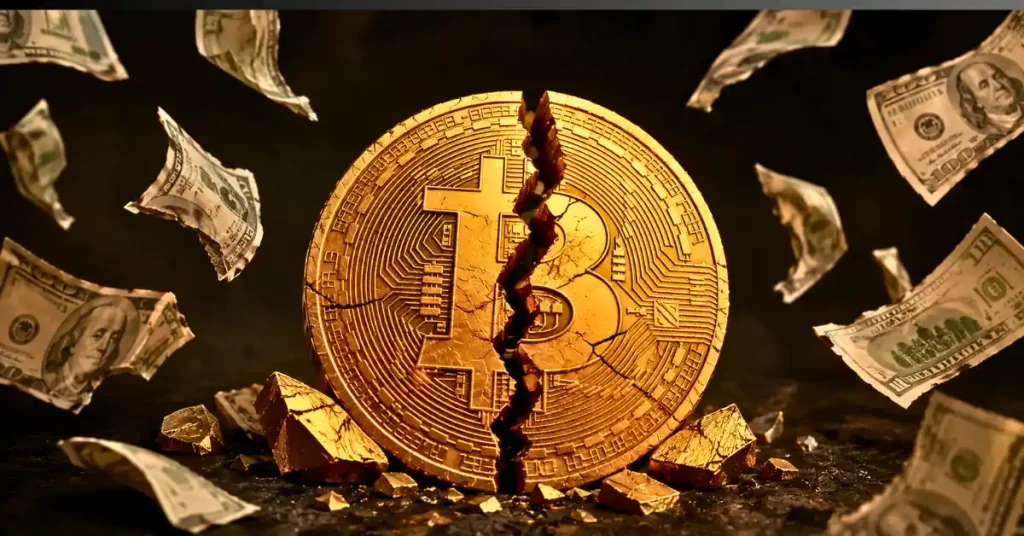
Bitcoin Price Rally Analysis: Navigating Market Dynamics Post-South Korea’s Rate Hike
The cryptocurrency market is experiencing a significant shift as Bitcoin struggles to maintain its position just below $64,700 amidst macroeconomic changes. This analysis delves into the implications of South Korea’s recent interest rate hike, the current state of major cryptocurrencies, and what this means for traders and investors going forward.
Background/Context
South Korea’s decision to raise its benchmark interest rate to 2.75% marks its first increase in more than three years, implemented as a measure to curb persistent inflationary pressures. This policy shift has ripple effects across global financial markets, including cryptocurrencies. Historically, interest rate hikes can lead to tighter liquidity conditions, impacting risk assets like Bitcoin and Ethereum.
Bitcoin, often viewed as a hedge against inflation, has faced challenges in a rising interest rate environment. As traditional investors reallocate their portfolios in response to higher yields in bonds and other fixed-income securities, cryptocurrencies may face downward pressure. The current market cap of cryptocurrencies stands at approximately $2.31 trillion, with Bitcoin’s dominance at 56.3%, illustrating its significant role in the crypto space.
Key Data/Metrics
As of the latest data, Bitcoin is trading at $64,680, reflecting a slight decline of 0.44%. Conversely, Ethereum has shown resilience, increasing by 1.89% to $1,918. The Fear & Greed Index currently indicates extreme fear at 25, suggesting that market sentiment is bearish. Such indicators are crucial for traders as they assess market psychology and potential reversals.
Additionally, the Altcoin Index is positioned at 49/100, highlighting a mixed sentiment towards altcoins. This metric is important as it helps investors identify which cryptocurrencies are gaining traction versus those that are losing favor in the current market landscape.
Market Analysis
The cryptocurrency market is inherently volatile, and the recent interest rate hike adds another layer of complexity. Bitcoin’s performance is notably influenced by macroeconomic trends, and the current environment may lead to increased selling pressure. Historical data shows that during previous rate hike cycles, Bitcoin often experiences a decline in price as investors seek safer assets.
As part of a broader market analysis, we can observe that altcoins are also reacting to these shifts. For example, the recent surge in small-cap gainers like TENDIES (+314.7%) and Akedo Games (+110%) indicates that while Bitcoin may be struggling, other sectors within the cryptocurrency space are experiencing significant growth. This could present opportunities for traders willing to diversify their portfolios.
Expert Perspective
Experts suggest that while the immediate reaction to the interest rate hike may be negative for Bitcoin, the long-term outlook remains bullish. Institutional adoption continues to grow, with companies increasingly integrating blockchain technology into their operations. Furthermore, the recent developments in decentralized finance (DeFi) platforms, such as Aave’s expansion to Avalanche, signify an evolving landscape that could ultimately benefit Bitcoin and Ethereum.
Moreover, the security breaches faced by platforms like LayerZero, where $2.4 million was drained, underline the importance of security in the crypto space. This growing concern could lead to enhanced regulatory scrutiny, which, while initially perceived as a negative, could ultimately lead to greater legitimacy and stability in the market.
Risks & Opportunities
As the market navigates through these turbulent waters, the risks associated with investing in cryptocurrencies are pronounced. The current extreme fear sentiment suggests that many investors are hesitant, potentially leading to further declines in Bitcoin’s price. Additionally, the potential for more interest rate hikes could exacerbate the situation, leading to increased volatility.
However, opportunities also abound. For investors with a long-term vision, the current price levels may represent a buying opportunity. Historical trends show that Bitcoin often rebounds after significant downturns, and with its established place in the financial ecosystem, many believe that it will emerge stronger. Traders should keep an eye on significant gains in small-cap cryptocurrencies, which often signal burgeoning sectors within the crypto market.
Future Outlook
Looking ahead, the future of Bitcoin and the broader cryptocurrency market will heavily depend on macroeconomic factors, including inflation rates and interest rate policies. If South Korea’s rate increase proves effective in stabilizing inflation, we may witness a more favorable environment for risk assets, including cryptocurrencies.
Moreover, as institutional investment continues to grow, Bitcoin may benefit from increased liquidity and demand. The evolution of regulatory frameworks around cryptocurrencies could also play a pivotal role, potentially leading to a more structured market that could attract new investors.
Conclusion
In conclusion, the current state of Bitcoin and the cryptocurrency market presents a complex interplay of risks and opportunities. While immediate reactions to South Korea’s interest rate hike may create headwinds, the long-term prospects remain promising due to ongoing institutional adoption and innovation in the DeFi space. Traders and investors should remain vigilant, continuously assessing market conditions and sentiment as they navigate this volatile yet intriguing landscape.