

The IRS Targets FIFA World Cup Prize: Implications for US Investors and Taxpayers
July 21, 2026 10:36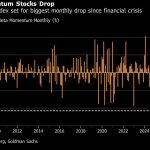
Momentum Stocks Face Largest Monthly Decline Since the Financial Crisis: Implications for Investors
July 21, 2026 10:39
Vietnam’s New Regulations on Offshore Crypto Trading: What Investors Need to Know
Background Context
Vietnam is taking a significant step towards regulating its cryptocurrency landscape, particularly focusing on the growing trend of offshore trading. The government has announced plans to impose fines on individuals engaging in cryptocurrency trading activities on foreign exchanges such as Binance, OKX, and Bybit. This move comes as part of a broader effort to establish a controlled and secure crypto market within the country, set to launch in September 2023. Currently, no local exchanges have received full licensing, which presents a unique challenge for crypto enthusiasts in Vietnam.
This regulatory shift reflects a global trend where governments are increasingly scrutinizing crypto trading practices to protect investors and ensure compliance with financial regulations. Vietnam’s decision highlights the necessity for a regulatory framework that balances innovation with consumer protection. As Vietnam prepares for its regulated crypto market, understanding the implications for local traders and investors becomes crucial.
Key Data and Metrics
As of now, the Vietnamese government has not specified the exact fines or penalties for trading on these offshore platforms. However, the intent is clear: to deter users from engaging with unregulated exchanges and encourage them to utilize domestic platforms once they are operational. Currently, the crypto market in Vietnam is in a state of flux, with many investors seeking avenues to trade despite the lack of local exchange options.
According to recent data, Vietnam ranks among the top countries in terms of cryptocurrency adoption, with a significant percentage of its population engaged in trading activities. A report by Chainalysis indicated that Vietnam was among the top five countries for crypto adoption in 2021, reflecting a growing interest in digital assets despite the regulatory uncertainties. This high level of engagement presents both challenges and opportunities as the government moves to establish a more structured environment.
Market Analysis
The introduction of fines for trading on offshore exchanges could lead to a shift in market dynamics within Vietnam. As local exchanges begin to emerge, the government hopes to channel trading activity domestically, potentially increasing the liquidity and stability of these platforms. However, until local exchanges are fully operational and offer competitive trading options, many traders may find themselves at a crossroads.
As seen in other regions, the regulation of cryptocurrency markets can have both positive and negative effects. In the short term, traders may experience a decrease in trading volume as they adjust to the new rules. In the long term, however, a regulated market could foster greater confidence among investors, leading to increased participation in the crypto ecosystem. Understanding these market dynamics is essential for investors looking to navigate the evolving landscape.
Expert Perspective
Experts have mixed opinions on Vietnam’s approach to regulating offshore crypto trading. Some see it as a necessary step to protect investors from the risks associated with unregulated platforms, while others argue it could stifle innovation and drive traders further underground or to less regulated jurisdictions. Dr. Nguyen Minh Tuan, a financial analyst based in Ho Chi Minh City, notes that “while regulation is important, the government must also ensure that it does not hinder the growth of the local crypto industry. Allowing for innovation within a regulated framework could position Vietnam as a leader in Southeast Asia’s crypto landscape.”
Furthermore, the lack of licensed local exchanges raises questions about the feasibility of enforcing these new regulations. Without viable alternatives, many traders may resort to peer-to-peer trading or continue to use offshore exchanges despite the risks. This situation underscores the importance of a collaborative approach between the government and industry stakeholders to create a supportive environment for the burgeoning crypto market.
Risks and Opportunities
The decision to fine users trading on offshore exchanges carries significant risks for both the government and investors. For investors, the immediate risk is the potential loss of access to their preferred trading platforms, which may offer better liquidity or trading options than any forthcoming local exchanges. Additionally, the fear of penalties could deter new investors from entering the market altogether, potentially stifling growth.
On the other hand, this regulatory framework presents opportunities for local startups and exchanges. As the government outlines its vision for a regulated crypto market, there is potential for innovative projects to emerge that cater specifically to Vietnamese traders. Furthermore, the establishment of a legal framework could attract foreign investment into the local crypto sector, enhancing its development and sustainability.
Future Outlook
Looking ahead, Vietnam’s crypto market is poised for significant changes as the government finalizes its regulatory framework. The planned launch of the regulated market in September 2023 will be a pivotal moment for traders and investors. The success of this initiative will depend on the government’s ability to create an attractive environment for local exchanges while simultaneously protecting investors from the risks associated with unregulated trading.
Moreover, the global context cannot be ignored. As other nations, including the United States and European countries, also grapple with the challenges of regulating cryptocurrencies, Vietnam’s approach may serve as a case study for balancing innovation with regulation. The outcomes of this regulatory environment will not only influence local traders but could also have broader implications for the region’s crypto market as a whole.
Conclusion
In summary, Vietnam’s decision to fine users for trading on offshore exchanges marks a significant moment in the evolution of its cryptocurrency market. While the intent is to protect investors and foster a regulated environment, the success of this initiative will largely depend on the government’s ability to create viable local alternatives. As we approach the launch of the regulated market, traders and investors must stay informed and adaptable to navigate the changing landscape. The future of crypto in Vietnam is still unfolding, and its trajectory will be watched closely by market participants across the globe.