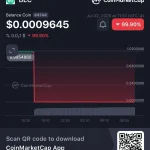
Algorithmic Stablecoin Balance Coin Crashes: An In-Depth Analysis
July 22, 2026 18:17
Polymarket Challenges France’s Regulatory Block: A Legal and Market Perspective
July 22, 2026 18:37
Iran’s Oil Market Threat: A Bold Statement and Its Global Implications
Background and Context
The recent pronouncement by Iranian Chief Negotiator Mohammad Ghalibaf, stating that if Iran cannot sell its oil, then no one else can, is a significant escalation in the ongoing geopolitical tensions surrounding Iran’s oil exports. This statement comes amidst renewed sanctions from the United States and ongoing efforts to stifle Iran’s oil revenue, which is vital for the country’s economy. Iran has historically been a key player in the global oil market, holding some of the largest proven oil reserves in the world. In 2020, for instance, Iran was ranked as the fourth-largest oil producer in OPEC, producing approximately 3.5 million barrels per day (bpd) before sanctions drastically reduced its output.
The context behind Ghalibaf’s declaration stems from the U.S. withdrawal from the Joint Comprehensive Plan of Action (JCPOA) in 2018, which reinstated stringent sanctions on Iran’s oil sector. These sanctions have severely impacted Iran’s ability to sell its oil, leading to a drop in exports from about 2.5 million bpd in 2017 to as low as 300,000 bpd in recent months. Ghalibaf’s statement can be interpreted as a warning not only to the U.S. but to other nations that might consider increasing their oil production or exports in the face of Iranian restrictions.
Key Data and Metrics
Iran’s oil industry has faced numerous challenges due to sanctions, yet it has shown resilience through various means, including secretive sales to countries willing to bypass sanctions, such as China. In 2022, reports indicated that Iran’s oil exports to China had surged to approximately 1 million bpd, demonstrating a strategic pivot towards non-Western markets. This shift is crucial for Iran, as oil accounts for over 90% of its export revenues, and the country’s economy relies heavily on these funds for essential services and infrastructure.
The global oil market is currently undergoing significant fluctuations, influenced by factors such as the ongoing conflict in Ukraine, production decisions by OPEC+, and the enduring impacts of the COVID-19 pandemic. Brent crude oil prices have seen volatility, reaching highs of over $120 per barrel earlier in 2022, before stabilizing around the $80-$90 range as of late 2023. Iran’s capacity to influence these prices hinges on its ability to restore production levels and export capabilities, which are currently hampered by sanctions.
Market Analysis
Ghalibaf’s statement carries weight not only for Iran but for the broader global oil market. If Iran escalates its rhetoric and takes measures to disrupt oil supplies, it could lead to further instability in oil prices. Traders and investors should be mindful of the delicate balance in the oil market, as any threats to supply can result in immediate price spikes. For instance, in 2019, tensions in the Strait of Hormuz, a vital shipping route for oil, led to a temporary increase in oil prices by over 14%.
Furthermore, the geopolitical landscape is shifting. As nations seek to diversify their energy sources and reduce reliance on any single supplier, Iran’s threats may push countries to reconsider their energy strategies. For instance, Europe, which has been seeking alternatives to Russian oil and gas, might find itself in a precarious position if Iran were to make good on its threats. This scenario could have far-reaching implications for energy security and global oil prices.
Expert Perspectives
Analysts argue that Ghalibaf’s comments reflect a broader strategy by Iran to exert pressure on the international community. “Iran knows that its oil is vital for the global economy, and by making such bold statements, it aims to project strength and resilience amidst adversity,” says Dr. Sarah Al-Mansoori, a Middle East energy expert. “However, these tactics could backfire if they provoke further sanctions or military responses from the U.S. and its allies.”
Additionally, experts highlight the potential for a shift in alliances within the oil market. Countries like China and Russia may enhance their partnerships with Iran, potentially leading to a more complex geopolitical landscape. The recent signing of a 25-year cooperation agreement between Iran and China further underscores this evolving dynamic, suggesting that Iran may find alternative routes for its oil, thus mitigating the impact of U.S. sanctions.
Risks and Opportunities
Investors must navigate a landscape fraught with risks stemming from geopolitical tensions. The possibility of military conflict, especially concerning the Strait of Hormuz, adds a layer of uncertainty to oil investments. A significant disruption in this region could lead to skyrocketing oil prices, creating opportunities for traders who can anticipate these price movements.
Conversely, there are opportunities for long-term investments in alternative energy sources as nations explore ways to reduce dependency on oil. With global warming and climate change concerns at the forefront of energy discussions, the shift towards renewables may be accelerated by the volatility in the oil market. Investors might consider diversifying their portfolios to include renewable energy stocks and technologies.
Future Outlook
The future of Iran’s oil export capabilities remains uncertain. Should the U.S. maintain or intensify sanctions, Iran may resort to more aggressive tactics to secure its interests. Conversely, if diplomatic negotiations lead to a lifting of sanctions, Iran could re-enter the global oil market at significant levels, impacting global supply and prices.
Moreover, the ongoing developments in the Middle East, including tensions in neighboring countries and the broader geopolitical landscape, will play a crucial role in shaping Iran’s future in the oil sector. Observers will need to monitor U.S.-Iran relations closely, as shifts in policy could dramatically alter the market environment.
Conclusion
Ghalibaf’s declaration serves as a stark reminder of the precariousness of global oil markets amid geopolitical tensions. As traders and investors navigate this complex landscape, understanding the interplay between Iran’s oil exports and global supply dynamics will be essential. The implications of this statement stretch beyond the borders of Iran, influencing global oil prices and energy security. Therefore, keeping a watchful eye on developments in this arena will be critical for anyone involved in the energy sector or looking to make informed investment decisions.