
Elon Musk’s Bold Claim: Will Money Matter in 2036?
July 25, 2026 21:13
Wise’s Charter Resubmission: What’s Up with the GENIUS Act?
July 25, 2026 22:37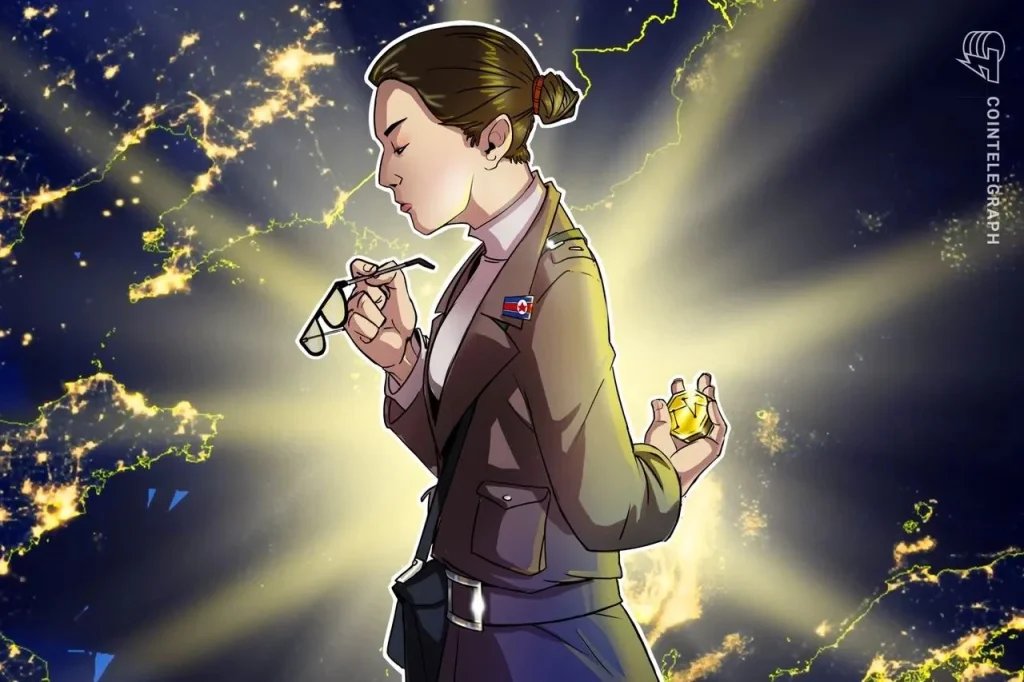
North Korea’s Crypto Hacking: A Structural Shift or Short-Term Noise?
Unpacking the North Korean Crypto Arrests
Reports have emerged that North Korea has arrested a group linked to a crypto-focused bank hacking ring. This development is noteworthy, considering the country’s reported involvement in several cyber heists targeting cryptocurrency exchanges and financial institutions worldwide. The details of these arrests remain sparse, yet they could signal a shift in North Korea’s approach to cyber operations.
Historically, North Korea has been accused of using cybercrime as a method to circumvent international sanctions. The country’s focus on cryptocurrency is not surprising, given the digital assets’ potential for anonymity and ease of cross-border transfer, making them an attractive option for countries looking to bypass traditional financial systems.
The significance of these arrests lies in their potential impact on North Korea’s broader cyber strategy. If confirmed, they might indicate a change in tactics, possibly responding to increased international scrutiny and pressure. However, without concrete details, one can only speculate about the motivations and future implications of these arrests.
A Pattern of Cybercrime: Historical Context
I’ve watched this pattern play out before — during the 2016 Bangladesh Bank heist, where cybercriminals, allegedly linked to North Korea, attempted to steal nearly $1 billion. While only $81 million was successfully transferred, the incident highlighted the vulnerabilities within global financial systems to cyber threats.
In the cryptocurrency realm, North Korea’s involvement in such activities has been well-documented. A United Nations report estimated that the country had amassed $2 billion through cyberattacks to fund its weapons program. This figure underscores the scale and sophistication of their operations, often involving complex laundering techniques across multiple jurisdictions.
The current arrests might suggest that North Korea is tightening its internal controls or perhaps sacrificing lower-level operatives to protect higher echelons of its cyber apparatus. What remains uncertain is whether this move represents a structural shift in strategy or merely a response to external pressures.
Structural or Cyclical: Understanding the Implications
Understanding whether these arrests signal a structural change or a cyclical adjustment is crucial for investors and policymakers alike. A structural shift would imply a fundamental change in North Korea’s approach to using cybercrime as a tool for economic gain. In contrast, a cyclical adjustment might suggest a temporary pause or recalibration of tactics, possibly influenced by external diplomatic pressures or technological challenges.
The long-term implications of a structural shift could be significant, affecting how international bodies respond to North Korean cyber threats. It might also lead to changes in how cryptocurrency exchanges and financial institutions bolster their cybersecurity measures. If this is merely a cyclical move, the broader pattern of cybercrime associated with North Korea may continue unabated, with only minor disruptions.
Investors should be aware of these dynamics, as they may influence the regulatory landscape and the perceived safety of cryptocurrency investments. Comparing this to past cycles, like the 2013 rate cycle, the correlation isn’t perfect, but the consistency in tactics suggests a deeper structural trend at play.
The Dollar Dance and the Crypto Connection
Another layer to consider is the relationship between these developments and the broader macroeconomic environment. The Dollar Dance can provide insights into how shifts in global currency reserves impact North Korea’s strategic choices. A stronger dollar often leads to tighter financial conditions globally, which might exacerbate North Korea’s economic struggles, pushing it further towards alternative financial sources like cryptocurrency.
This connection underscores the importance of understanding macroeconomic cycles when analyzing geopolitical developments. The interplay between North Korean cyber activities and global economic trends could offer clues about the country’s future moves in the crypto space.
As we navigate these complexities, one must consider both the short-term noise and the long-term signal. The current arrests could be a temporary blip or a harbinger of broader changes yet to unfold.
Crypto and Geopolitics: An Inextricable Link
Cryptocurrency’s role in geopolitics is becoming increasingly apparent. From Ripple’s significant bank acquisitions to China’s ambitious AI chip plans, digital assets and technology are reshaping power dynamics. North Korea’s alleged use of cryptocurrency for illicit activities exemplifies how nations might exploit technological advancements to gain strategic advantages.
These patterns prompt a reevaluation of how cryptocurrencies are perceived on the global stage. As nations like North Korea continue to engage in cyber activities, the international community may need to develop more robust frameworks to address these challenges.
This evolving landscape demands vigilance from investors and policymakers, as the line between financial innovation and geopolitical maneuvering becomes increasingly blurred.
Looking at the Long View: What Comes Next?
What I don’t know yet is whether this represents a structural shift or a cyclical correction. The arrests could mark the beginning of a new phase in North Korea’s cyber strategy, or they might simply be a strategic pause. Only time and further developments will reveal the true nature of this situation.
Investors should remain cautious yet informed, understanding that geopolitical events can have profound impacts on financial markets. The long-term decline in Bitcoin prices serves as a reminder of the intricate dance between market forces and geopolitical factors.
As we continue to monitor these developments, it’s essential to keep an eye on the broader trends and cycles that shape our world. The short-term noise is real. So is the long-term signal.
In the ever-complex world of macro investing, every data point counts. The North Korean arrests are just one piece of a much larger puzzle that investors must piece together to navigate the financial landscape.
Author: Stephanie Morris