Assessing the CLARITY Act’s Impact on Bitcoin: A Quantitative Analysis
July 25, 2026 18:25
Staking Dynamics: Exploring the Unstaked Volume of Ethereum
July 25, 2026 18:39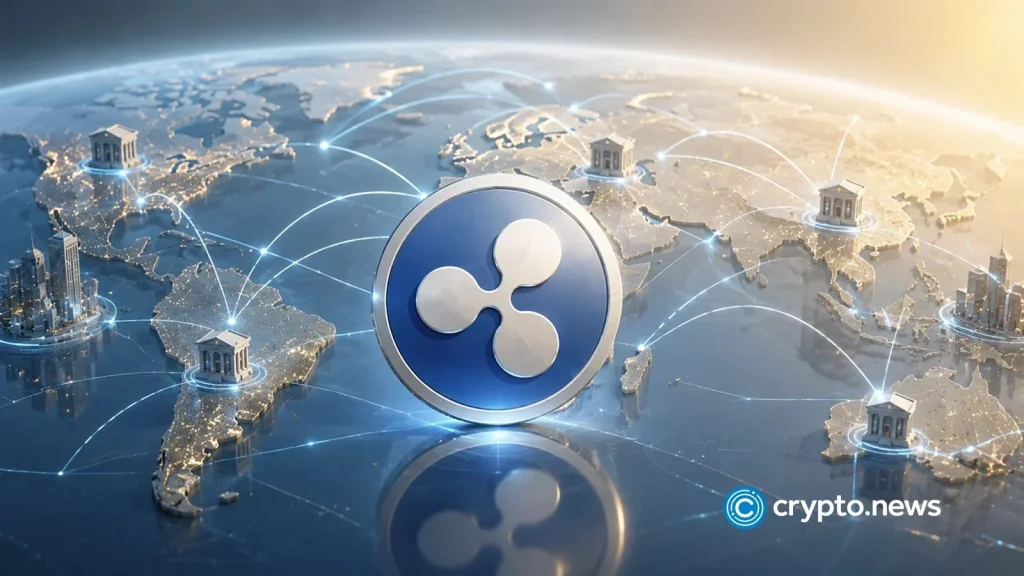
Ripple’s $4 Billion Bank Acquisition: What You Need to Understand
Ripple has made waves by acquiring various stakes in multiple financial entities, totaling nearly $4 billion. This significant investment sheds light on Ripple’s strategy and what it signals for the broader cryptocurrency and financial landscape. With companies like Metaco, Hidden Road, GTreasury, and Palisade now part of Ripple’s operational structure, the implications for XRP and its market potential are monumental.
Decoding the $4 Billion Investment
First off, let’s break down the entities involved in this acquisition. Ripple’s purchase includes not only financial technology firms but also infrastructure aimed at enhancing liquidity and efficiency in digital asset transactions. Think of this expansion as Ripple bringing together a toolkit for seamless cross-border transactions. This isn’t just an acquisition spree; it’s a well-calibrated move to strengthen the underlying ecosystem supporting XRP.
To put a figure on it, Metaco alone is renowned for its secure crypto custody solutions, while GTreasury focuses on treasury management and liquidity solutions. When Ripple combines these capabilities, it’s like giving your car a turbocharged engine — significantly enhancing performance. This expanded operation aligns with Ripple’s ambition to position XRP as a leading digital asset for international finance.
What Each Company Brings to the Table
Understanding the individual strengths of these companies helps clarify Ripple’s overarching strategy. Metaco, with a strong foothold in custody services, addresses a critical area for institutional adoption — security. Investors often hesitate to engage deeply with crypto due to concerns over custody and asset safety. By integrating Metaco’s technology, Ripple boosts its credibility.
Meanwhile, Hidden Road provides credit infrastructure, necessary for seamless financial transactions, particularly in trading venues. When combined with GTreasury’s capabilities in liquidity management, Ripple can offer a more holistic service that streamlines cross-border trading and finance. This is an intriguing tackle of liquidity — effectively making XRP more functional for businesses aiming to leverage digital assets without significant friction.
The Market Implications of This Move
So, why should traders and investors pay attention? Ripple’s investment is a clear signal that it’s doubling down on the relevance of digital assets in finance. It’s hard to overlook the size of this acquisition: with $4 billion at stake, Ripple is not just tinkering around the edges; it’s reshaping its position in the financial sector. This enhances liquidity — how effortlessly assets move in the market.
XRP, which has often faced regulatory challenges, could see renewed confidence from institutional investors. By building a robust infrastructure around it, Ripple is demonstrating its commitment to compliance and security, which are paramount concerns in crypto finance. Overall, expect potential trading volume to increase as mainstream adoption aligns with Ripple’s growth.
What This Means for XRP and Its Future
The interplay between Ripple’s new acquisitions and the future of XRP is hard to ignore. Each partnership enhances the usability of XRP for businesses, which is crucial for the asset’s long-term stability and growth. Now, we’ll look at what needs to be on your radar as an investor.
With enhanced security measures, liquidity solutions, and an expanding network, XRP could become increasingly appealing for institutional players. These are the decision-makers who can inject significant capital into crypto markets. As previously discussed in our analysis of the CLARITY Act’s implications, regulatory clarity is essential, and Ripple appears to be positioning itself favorably.
Analyzing Historical Trends
Historically, we can see digital assets evolve in phases, where infrastructure and regulatory recognition heavily influence market trends. Take the 2017 ICO boom: many firms rushed to tokenization without adequate planning, leading to mass uncertainty. Ripple’s approach stands in stark contrast. By acquiring solid financial pillars, they’re putting forth a narrative that’s likely to attract more significant investment and trust in XRP.
We’ve also observed market sentiment shift with successful acquisitions; companies that position themselves strategically tend to weather downturns more effectively. If we look back at similar patterns, we can expect Ripple’s strategy might serve to stabilize XRP’s price over the long haul, turning potential volatility into upward momentum.
The Competitive Landscape
Ripple’s acquisition raises another question: how will it stack up against competitors in the crypto finance sector? Binance, Coinbase, and other exchanges have already started to forge partnerships with similar financial entities. Ripple’s $4 billion investment could be a hard-hitting counter-move against their rising influence.
It’s like a chess game, where each piece plays a strategic role. By strengthening its infrastructure, Ripple positions XRP not just as a payment solution, but as a full-fledged financial service platform. The spotlight is now on how quickly these integrations can lead to real-world adoption.
What to Watch Next
Keep an eye on regulatory responses surrounding Ripple’s moves. Regulations will significantly influence how successfully XRP can integrate into mainstream financial systems. The execution of these acquisitions will be closely monitored by investors and regulators alike. Will these partnerships pass scrutiny, and how will they impact Ripple’s bottom line?
Timing is everything here. If Ripple can rapidly deploy these technologies while addressing regulatory concerns, it sets the stage for a bullish sentiment around XRP. Conversely, any regulatory hiccups could thwart this growth. Observe the reactions from institutional investors — their confidence levels will forecast broader market shifts.
This landscape changes rapidly, but one thing is clear: Ripple’s strategy signals a pivot toward a more integrated digital financial system. If you’re monitoring the volatility and making informed trades, understanding these components will be key. Stay updated on this evolving narrative as things unfold.
Author: Mark Montgomery