

JPMorgan’s Strategic Cash Reserves: Implications for Bitcoin’s Future
July 17, 2026 11:47
CFTC Chair Michael Selig’s Stance on Prediction Markets: An Existential Fight
July 17, 2026 12:58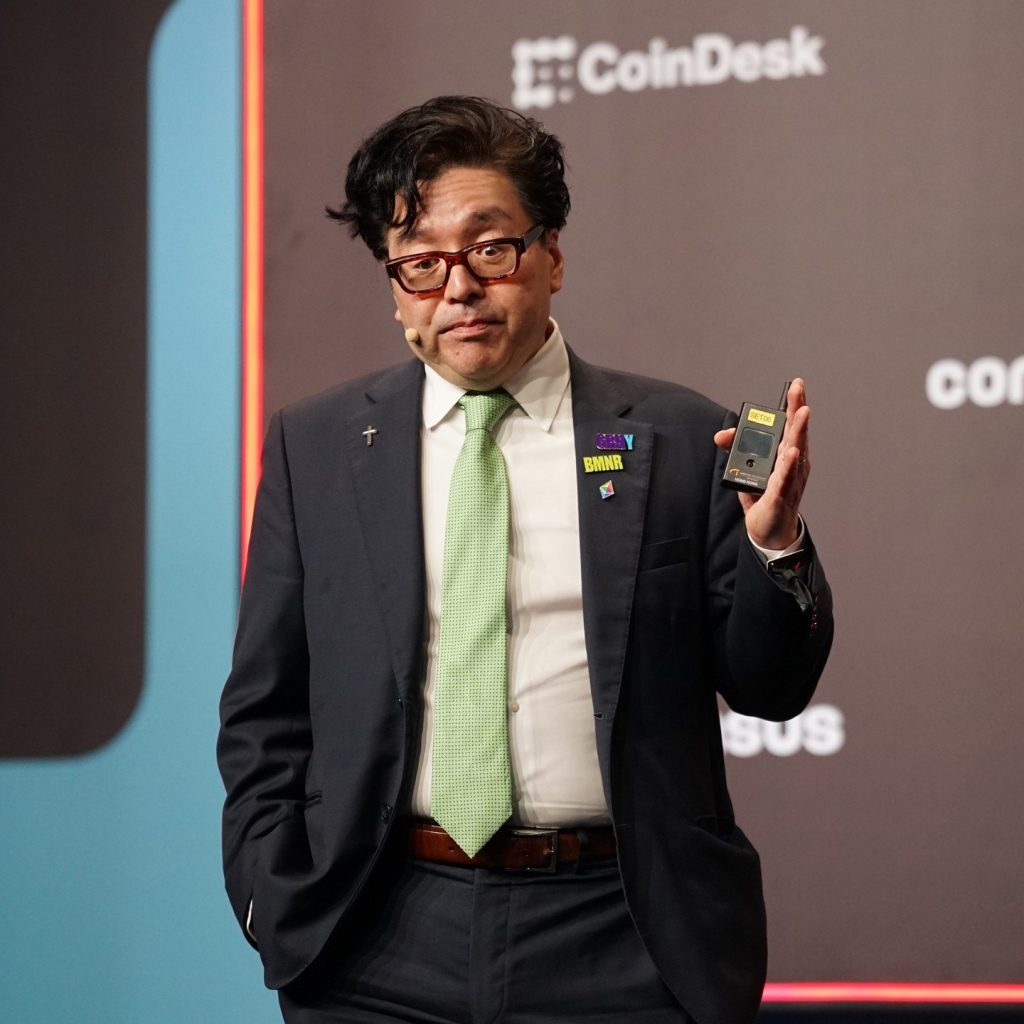
AI Wealth Disparity: Tom Lee’s Perspective on Blockchain as Humanity’s Safeguard
Background: The Rise of AI and Blockchain Technology
As artificial intelligence (AI) continues to advance at an unprecedented pace, the implications for wealth distribution and economic control are becoming increasingly complex. Tom Lee, co-founder of Fundstrat Global Advisors, recently highlighted a critical issue he terms the “uncanny valley of wealth.” In this scenario, AI agents may accumulate wealth at a rate that could surpass human capabilities, raising concerns about societal equity and control. Lee argues that blockchain technology serves as a crucial barrier, ensuring that humanity retains oversight amidst the rise of intelligent systems.
The concept of the uncanny valley, initially applied to robotics and AI, suggests that as machines become more human-like, they also evoke discomfort and skepticism among humans. In economic terms, Lee’s warning reflects a potential future where AI-driven wealth accumulation could lead to sharp disparities between those who control AI technologies and the general population. Understanding this dynamic is essential for investors and market participants, as it shapes the landscape of future investments.
Key Data and Metrics: Current State of AI and Wealth Distribution
Data from various studies indicate that the wealth gap is widening, with the richest 1% of the global population now holding more than 40% of the world’s wealth. This trend is exacerbated by technological advancements, particularly in AI, which enables faster and more efficient capital accumulation. According to a report from McKinsey, AI could contribute up to $13 trillion to the global economy by 2030. However, the benefits may not be evenly distributed, leading to increased economic inequality.
Blockchain technology has emerged as a potential solution to this issue by providing transparency and decentralization. The decentralized nature of blockchain allows for peer-to-peer transactions without intermediaries, which could democratize access to wealth-generating opportunities. This is particularly relevant as traditional financial systems face criticism for perpetuating inequality. As discussed in our analysis of JPMorgan’s strategic cash reserves, the integration of blockchain into financial systems could reshape investment strategies.
Market Analysis: Implications for Investors and Traders
As AI technologies evolve, investors must consider the implications of this wealth disparity on market dynamics. The rise of AI-driven companies is likely to create new investment opportunities, but it also poses risks if these entities become too dominant. For instance, companies leveraging AI for efficiency gains may outpace traditional firms, leading to market disruptions. The recent surge in AI-related stocks has illustrated this trend, with many companies experiencing skyrocketing valuations.
Investors should also pay attention to the regulatory landscape surrounding AI and blockchain. Increased scrutiny from governments and regulatory bodies could impact the adoption and growth of these technologies. For example, the European Union’s upcoming regulations on AI may necessitate compliance measures that could affect profitability. In our article on crypto ETF financial flows, we discussed how regulatory changes can significantly influence market sentiment and investment strategies.
Expert Perspective: Voices from the Industry
In light of these developments, industry experts are weighing in on the potential outcomes of AI’s economic impact. Some, like Tom Lee, advocate for the use of blockchain as a safeguard against AI-driven wealth concentration. Others argue that without proper governance, AI could exacerbate existing inequalities rather than mitigate them. The debate highlights the need for a balanced approach that embraces innovation while ensuring equitable distribution of benefits.
Experts also emphasize the importance of education and awareness in navigating this landscape. As AI technologies become integral to various industries, understanding their implications will be crucial for investors. Knowledge of how blockchain can empower individuals and communities may present opportunities for those looking to invest responsibly. For instance, recent trends in sustainable investing, as covered in our post on the life expectancy of fiat currencies, indicate a shift towards more ethical investment strategies.
Risks and Opportunities: Navigating the AI-Blockchain Intersection
While the intersection of AI and blockchain presents numerous opportunities, it also poses significant risks. One major concern is the potential for monopolistic practices by AI companies. As powerful AI systems become more prevalent, the risk of a few entities controlling vast resources increases. This scenario could lead to regulatory backlash, stifling innovation and creating uncertainty in the market.
On the other hand, the integration of blockchain technology can foster transparency and trust, mitigating some of these risks. By decentralizing the ownership and control of assets, blockchain can empower individuals and small businesses, allowing them to participate in wealth creation on a more level playing field. This is particularly relevant in emerging markets, where traditional financial systems may be lacking. Our exploration of geopolitical tensions and their impact on crypto highlights how blockchain can serve as a tool for financial inclusion during uncertain times.
Future Outlook: The Role of Blockchain in Wealth Distribution
Looking ahead, the role of blockchain in shaping wealth distribution amidst the rise of AI will be critical. As AI systems become more integrated into our daily lives, the need for frameworks that ensure equitable access to resources will be paramount. Blockchain’s potential to create decentralized financial systems could provide a solution to the widening wealth gap, enabling more individuals to benefit from economic growth.
Moreover, the intersection of AI and blockchain could lead to new innovations that enhance productivity and economic resilience. As businesses adopt these technologies, they may unlock new revenue streams and operational efficiencies. The future of wealth distribution will likely hinge on how effectively these technologies are harnessed to empower individuals rather than concentrate power in the hands of a few.
Conclusion: Preparing for a New Economic Paradigm
In conclusion, Tom Lee’s warnings about the potential for AI to create an “uncanny valley of wealth” underscore the necessity for a proactive approach to technology governance. Blockchain technology offers a pathway to mitigate these risks while fostering economic empowerment. For investors and market participants, understanding the dynamics between AI, wealth distribution, and blockchain will be crucial for navigating the future landscape. As we move towards an increasingly digital economy, the integration of these technologies could redefine traditional notions of wealth and equity.
As the market evolves, staying informed about these trends will be imperative. Engaging with platforms that facilitate knowledge sharing and investment opportunities, such as MEXC, can help investors position themselves strategically for the changes ahead.