

Whales Make Waves: Analyzing Recent Major Transactions in the Crypto Market
July 18, 2026 04:43
Bitcoin’s Bear Market Bottom: Insights from K33 Research
July 18, 2026 05:22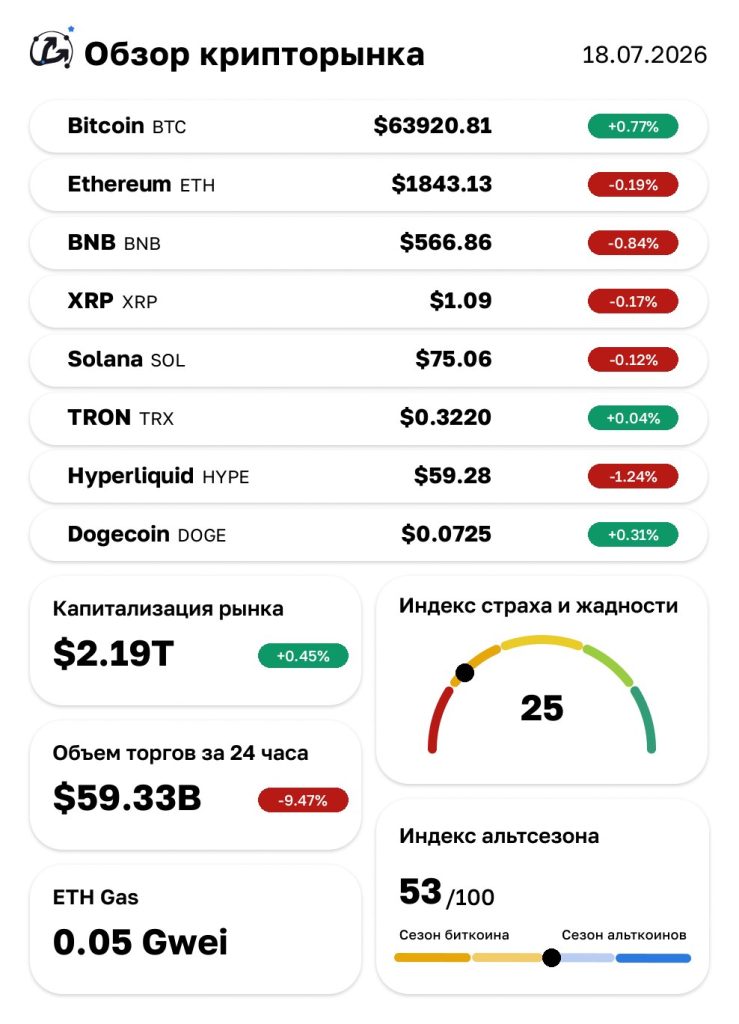
Analyzing Cryptocurrency Rates: Trends, Market Implications, and Future Outlook
Background and Context
The cryptocurrency market has been known for its volatility and rapid changes in rates. As we analyze the latest trends in cryptocurrency rates, it’s essential to understand the broader economic factors at play. Recent reports have highlighted significant fluctuations in the rates of major cryptocurrencies, including Bitcoin, Ethereum, and others. These fluctuations are influenced by various factors, including market sentiment, regulatory developments, and macroeconomic indicators.
Historically, cryptocurrency rates have experienced drastic shifts in response to news and events. For instance, the 2017 bull run saw Bitcoin reach an all-time high of nearly $20,000, only to plummet to around $3,000 in 2018. Understanding these patterns is crucial for traders and investors looking to navigate the complexities of the crypto market.
Key Data and Metrics
As of the latest reports, Bitcoin has been trading around $30,000, while Ethereum hovers near $2,000. These prices represent significant levels of resistance and support that traders are closely monitoring. Additionally, the market capitalization of Bitcoin remains dominant, accounting for over 40% of the total cryptocurrency market cap, which stands at approximately $1.3 trillion.
Analyzing the trading volumes, Bitcoin has seen a daily volume ranging between $20 billion to $30 billion, while Ethereum’s volume has fluctuated between $7 billion to $10 billion. Such metrics are vital for assessing market liquidity and investor interest, as they can indicate potential price movements.
Market Analysis
Current market trends suggest that institutional interest in cryptocurrencies is on the rise. Major financial institutions are increasingly participating in the crypto space, as evidenced by JPMorgan’s recent insights on Bitcoin, which indicate a growing acceptance among traditional investors. This shift has led to a more mature market, where price movements are less driven by retail speculation and more influenced by institutional buying.
Moreover, the introduction of Bitcoin ETFs (Exchange-Traded Funds) has been a game-changer for the market. The approval of Bitcoin ETFs allows traditional investors to gain exposure to cryptocurrencies without directly purchasing them, further solidifying Bitcoin’s status as a legitimate asset class. As discussed in our whales analysis, large transactions can significantly impact market dynamics.
Expert Perspective
Experts in the cryptocurrency field emphasize the importance of understanding the underlying technology and market dynamics. As highlighted in our post on JPMorgan’s insights on Bitcoin, the bank recognizes Bitcoin as a key player in the financial landscape, which may influence its future trajectory.
Furthermore, analysts believe that the current economic climate, with rising inflation and geopolitical tensions, could further drive interest in cryptocurrencies as a hedge against traditional market risks. The Federal Reserve’s recent balance sheet expansion has also raised concerns about the long-term value of fiat currencies, prompting investors to seek alternative assets.
Risks and Opportunities
Despite the positive outlook for cryptocurrencies, several risks remain. Regulatory scrutiny is a significant concern, as governments worldwide are still grappling with how to handle digital assets. Any sudden regulatory changes could lead to sharp price corrections, impacting investor sentiment.
On the flip side, opportunities abound in the rapidly evolving crypto landscape. Innovations such as decentralized finance (DeFi) and non-fungible tokens (NFTs) are creating new markets and investment avenues. Understanding these trends is crucial for investors looking to capitalize on emerging opportunities in the cryptocurrency sector.
Future Outlook
Looking ahead, the future of cryptocurrency rates will likely be influenced by continued institutional adoption and regulatory developments. Analysts predict that if Bitcoin maintains its current momentum, we could see it testing new all-time highs within the next year. Additionally, Ethereum’s transition to a proof-of-stake model could enhance its scalability and further attract investors.
As we approach the next halving event for Bitcoin, which is expected to occur in 2024, historical trends suggest that this could trigger another bullish cycle. Investors should closely monitor these developments, as they could significantly impact market dynamics.
Conclusion
In conclusion, the analysis of cryptocurrency rates reveals a complex interplay of market forces, institutional interest, and regulatory challenges. As the market evolves, traders and investors must stay informed and adaptable. The cryptocurrency landscape is poised for further growth, but understanding the risks and opportunities will be essential for navigating this volatile environment. For those looking to enter the market, platforms such as Bitcoin Battlefield offer valuable tools for market analysis and insight.