
ForkLog Launches Corporate News Section: A New Era for Business Insights in Crypto
July 20, 2026 07:42
South Korea’s KOSPI Faces Significant Decline: An In-Depth Analysis of Market Trends and Implications
July 20, 2026 07:52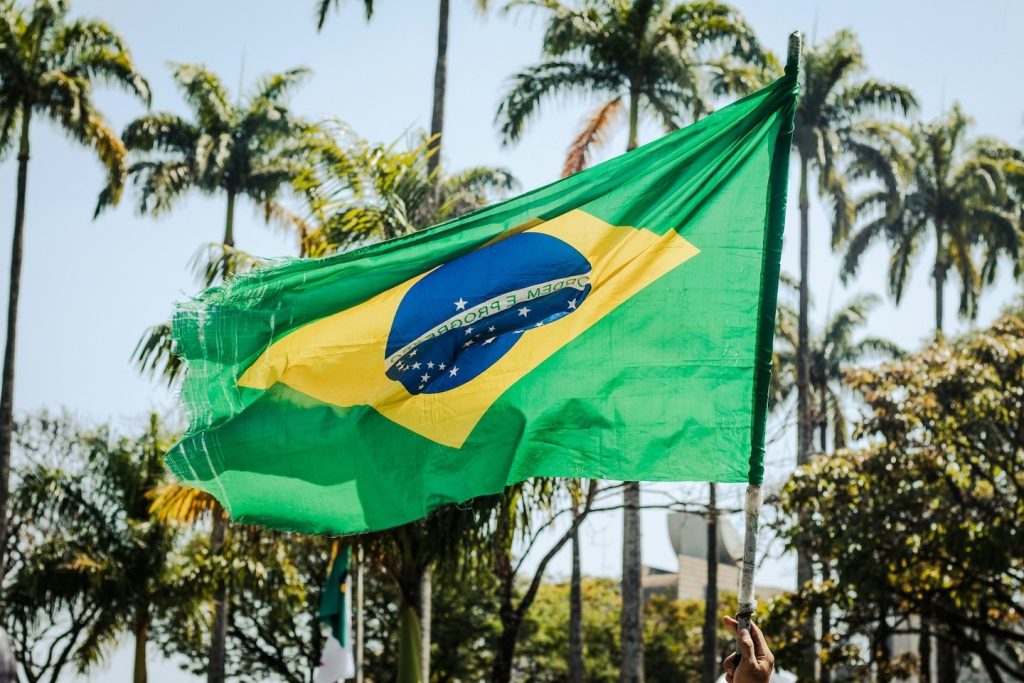
Brazil’s Regulatory Sandbox for Securities Tokenization: A New Frontier in Crypto Regulation
Background and Context
Brazil’s securities regulator, Comissão de Valores Mobiliários (CVM), has recently announced the formation of a working group aimed at creating a regulatory sandbox specifically for the tokenization of securities. This initiative marks a significant step towards modernizing Brazil’s financial landscape, aligning it more closely with global trends in digital asset regulation. The concept of a regulatory sandbox allows for a controlled environment where businesses can test innovative financial products and services under regulatory oversight.
The move comes against the backdrop of a growing interest in blockchain technology and digital assets within Brazil. Over the past few years, there has been a notable increase in investment in cryptocurrencies and related technologies, a trend that has prompted regulators to take a more proactive stance in establishing frameworks that can accommodate these developments. The creation of the sandbox signifies a recognition of the potential benefits that tokenization could bring to the Brazilian economy.
Key Data and Metrics
Tokenization refers to the process of converting rights to an asset into a digital token on a blockchain, allowing for greater liquidity, transparency, and access to various types of investments. According to a report by the World Economic Forum, tokenized assets could represent up to $24 trillion by 2027. Brazil’s initiative is a timely response to this growing market, as it seeks to harness the benefits of tokenization while ensuring investor protection and regulatory compliance.
Currently, the Brazilian financial market is valued at approximately $1.2 trillion, and the introduction of a regulatory sandbox could attract both domestic and international investors looking to explore opportunities in tokenized assets. By providing a structured environment for experimentation, the CVM aims to encourage innovation while minimizing the risks associated with unregulated markets.
Market Analysis
The establishment of a regulatory sandbox in Brazil aligns with similar initiatives seen in other jurisdictions, such as the UK, Singapore, and the UAE. These countries have recognized the importance of fostering innovation in financial technology while ensuring adequate consumer protection. Brazil’s approach could enhance its competitive edge in the global financial market, particularly as more countries adopt similar frameworks.
Moreover, the Brazilian market has been increasingly receptive to digital assets, with a significant uptick in cryptocurrency trading volumes. According to a report from the Brazilian Federation of Banks, cryptocurrency transactions in Brazil surged by over 200% in 2021, reflecting a growing appetite among investors. This increasing participation in digital currencies may further bolster the case for tokenization, as investors seek more efficient and transparent ways to access various asset classes.
Expert Perspectives
Industry experts have expressed optimism regarding Brazil’s decision to create a regulatory sandbox for tokenization. According to Dr. Eduardo Lima, a prominent fintech researcher, “The regulatory sandbox will provide a much-needed framework for innovation in Brazil’s financial sector. It allows developers to test their ideas in a safe environment while also offering regulators insight into the potential risks and benefits of tokenization.”
Additionally, experts believe that this initiative could inspire other Latin American countries to follow suit, potentially leading to a regional shift towards more progressive digital asset regulations.
Moreover, reputable financial institutions are likely to view Brazil’s regulatory environment as a positive signal. The presence of a sandbox could encourage investment from venture capitalists and tech firms looking to explore tokenized securities, fostering a more vibrant ecosystem for innovation.
Risks and Opportunities
While the regulatory sandbox presents numerous opportunities for innovation, it is essential to acknowledge the risks involved. The challenge lies in balancing innovation with adequate consumer protection. As new technologies emerge, regulators must remain vigilant about potential fraud, market manipulation, and cybersecurity threats that could arise from tokenized assets.
Another risk is the potential for regulatory arbitrage. As companies explore the sandbox, there may be a temptation to exploit regulatory loopholes or inconsistencies. This underscores the importance of a well-defined regulatory framework that can keep pace with the rapidly evolving landscape of digital assets.
Future Outlook
The establishment of a regulatory sandbox for securities tokenization in Brazil is likely to pave the way for broader acceptance and adoption of digital assets in the country. As the sandbox evolves, it may enable the development of new financial products that cater to a wider audience, including retail investors who have previously been excluded from certain investment opportunities.
Moreover, if successful, Brazil could position itself as a leader in the tokenization space within Latin America, attracting international firms and fostering a culture of innovation. The ongoing evolution of the regulatory environment will be crucial in shaping the future of the Brazilian financial market and its ability to adapt to the changing landscape of global finance.
Conclusion
Brazil’s initiative to create a regulatory sandbox for securities tokenization is a landmark development in the country’s approach to digital assets. By fostering innovation while ensuring regulatory oversight, Brazil is taking significant steps towards modernizing its financial landscape. As market participants eagerly await the sandbox’s launch, it is essential for regulators to maintain a balanced approach that encourages innovation while protecting investors. The future of tokenization in Brazil looks promising, and its implications for traders and investors could be profound.