
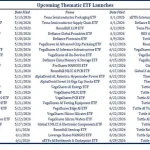
The Rise of Tech-Related ETFs: A New Era in Investment
July 21, 2026 20:28
Bitcoin’s Surge: Impact on CRCL, BMNR, and MSTR Ahead of Fed’s Decision
July 21, 2026 20:43
Financial Implications of the Iran Conflict: A $37.5 Billion Burden on the U.S. Economy
Background and Context
The ongoing conflict involving Iran has profound implications not just for geopolitical stability, but also for the economic health of the United States. According to recent estimates, the U.S. has incurred costs of approximately $37.5 billion due to its military engagement in the region. This figure reflects a combination of direct military expenditure, support for allied operations, and the broader economic fallout affecting various sectors.
This conflict is part of a larger historical context where U.S. military interventions have often led to significant financial burdens. For instance, the wars in Iraq and Afghanistan cost the U.S. over $2 trillion combined. Understanding the financial implications of these engagements can provide valuable insights into future military and diplomatic strategies.
Key Data and Metrics
Analyzing the financial impact of the Iran conflict, we can break down the costs into several categories: direct military expenditures, economic sanctions, and humanitarian aid. Direct military costs have skyrocketed as the U.S. maintains a substantial military presence in the region, with expenses related to personnel, equipment, and operational logistics contributing significantly to the total cost.
Moreover, economic sanctions imposed on Iran have broader implications for global oil markets and trade. The U.S. has seen fluctuating oil prices due to disruptions in supply chains, affecting not only domestic consumers but also international partners. According to a report from the International Energy Agency (IEA), oil prices surged by 25% during periods of heightened conflict, indicating how military actions can ripple through the global economy.
Market Analysis
The financial ramifications of the Iran conflict extend beyond immediate military costs. Investors in the energy sector, for instance, must navigate the volatility that arises from geopolitical tensions. The price of crude oil is highly susceptible to conflicts in the Middle East, and any escalation can result in steep price hikes, impacting global markets.
In the context of the current market landscape, energy stocks have shown resilience despite these pressures. Companies involved in oil production and distribution often see spikes in their stock prices following reports of military engagement. However, this is a double-edged sword; while short-term gains may be realized, long-term stability remains elusive as investors weigh the risks associated with ongoing military commitments.
Expert Perspective
Financial analysts suggest that the $37.5 billion expenditure is not just a number; it represents a strategic choice that could influence U.S. fiscal policy. The opportunity cost of such spending is enormous; funds allocated to military operations could alternatively support domestic programs or infrastructure development, potentially yielding greater economic returns.
Moreover, experts warn that the implications of sustained military engagement can lead to a cycle of dependency on defense spending, which might crowd out other critical areas such as education and healthcare. As discussed in our analysis of Trump’s policies, the prioritization of military budgets over social programs can have lasting effects on the economy.
Risks and Opportunities
With the ongoing conflict, the risks are multifaceted. Investors must consider the geopolitical stability of the region and the potential for military escalation, which could lead to further costs. Additionally, the U.S. dollar’s status as the world’s reserve currency is partly supported by its military power, and prolonged conflicts can challenge this status.
On the flip side, there are opportunities for investors in defense and energy sectors. The demand for military hardware and oil remains high, and companies in these industries are likely to see increased revenues. For instance, as discussed in our case study on Ethereum, identifying profitable sectors during times of crisis can lead to substantial gains.
Future Outlook
Looking ahead, the financial burdens associated with the Iran conflict will likely persist. Analysts predict that the U.S. will continue to engage in military operations, which could further inflate costs. The question remains: how will this affect the broader economy? As the national debt rises, there could be pressure on Congress to adjust spending priorities.
Furthermore, if the conflict escalates, we may see a ripple effect across other sectors, including technology and healthcare, as government resources are diverted. As noted in our recent examination of tech-related ETFs, investors should remain vigilant about shifts in fiscal policy that could impact markets.
Conclusion
The $37.5 billion cost of the Iran war is a significant burden on the U.S. economy, underscoring the complex interplay between military engagement and economic health. Investors must navigate the volatile waters of geopolitical tensions while remaining acutely aware of the financial implications. As the situation evolves, the potential for both risks and opportunities will require strategic foresight. For those looking to mitigate risks, diversification and a focus on sectors that thrive in turbulent times could provide a pathway to stability amidst uncertainty.
For more information on cryptocurrency investments and market trends, visit AICoinBooster or explore the latest insights on top trending coins. Don’t miss out on the opportunities in this dynamic market!