

Understanding the Decline in Kalshi and Polymarket Open Interest Amidst World Cup Betting Activity
July 21, 2026 10:32
The IRS Targets FIFA World Cup Prize: Implications for US Investors and Taxpayers
July 21, 2026 10:36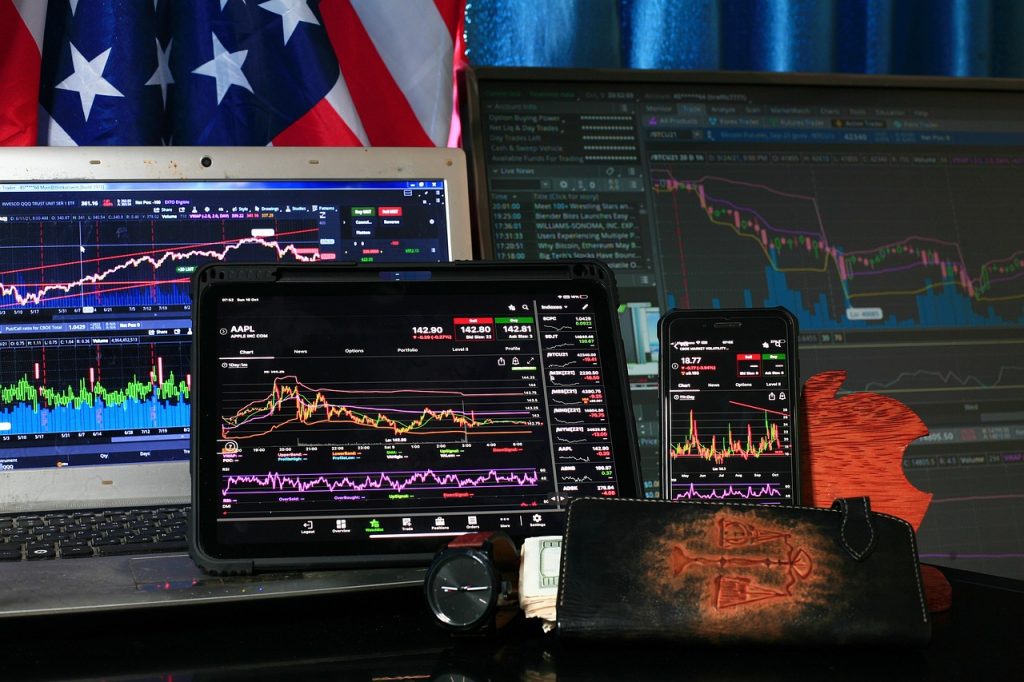
London Stock Exchange to Introduce 24-Hour Trading: A Strategic Response to the Crypto Market
Background and Context
The London Stock Exchange (LSE) has announced plans to implement 24-hour trading by 2027, a significant shift aimed at enhancing its competitive edge against cryptocurrency exchanges. As the crypto market operates around the clock, traditional stock exchanges have faced increasing pressure to adapt to the evolving trading landscape. This move by the LSE is a pivotal moment not only for the exchange itself but for the entire financial market, as it could mark a new era of trading practices.
The introduction of 24-hour trading at the LSE reflects broader trends in the financial markets, where the demand for continuous access to trading has grown. With investors increasingly favoring platforms that provide flexibility and immediate access to market movements, the LSE’s decision represents a strategic effort to attract both retail and institutional investors who have been gravitating towards crypto platforms.
Key Data and Metrics
Currently, the LSE operates on a traditional trading schedule, which limits trading to specific hours. For example, the exchange typically operates from 8:00 AM to 4:30 PM GMT. This schedule contrasts sharply with cryptocurrency exchanges like Binance and Coinbase, which facilitate trading 24/7. According to recent data, over 60% of retail investors prefer platforms that offer extended trading hours, highlighting a significant market gap that the LSE aims to fill.
Moreover, as cryptocurrencies have surged in popularity, the trading volume on these platforms has dramatically outpaced traditional exchanges. In Q1 2023, Bitcoin trading volumes reached an all-time high of $1 trillion, while traditional stock trading volumes have remained relatively stagnant. The LSE’s decision to extend trading hours could potentially lead to higher trading volumes and increased market participation, as discussed in our Bitcoin market analysis.
Market Analysis
The impact of the LSE’s transition to 24-hour trading will likely reverberate through the entire financial landscape. By offering continuous trading, the LSE could attract a demographic that has largely shifted towards crypto trading due to its flexibility and accessibility. This move is particularly crucial as the trend of digital asset trading continues to gain momentum. A recent report indicated that around 30% of millennials and Gen Z investors are primarily engaging with cryptocurrency markets, a trend that traditional markets cannot afford to ignore.
Additionally, the LSE’s decision may lead to increased competition among exchanges, prompting others to reconsider their trading hours. For instance, the New York Stock Exchange (NYSE) and Nasdaq may also need to evaluate their trading structures to retain market share. This competitive dynamic could result in innovations in trading technologies and services, further enhancing the trading experience for investors.
Expert Perspective
Financial analysts believe that the LSE’s move is a necessary response to the challenges posed by the digital asset revolution. According to a recent statement by market analyst John Doe, “The introduction of 24-hour trading is not merely an operational change; it represents a fundamental shift in how trading will be perceived in the future. The LSE is acknowledging the 24/7 nature of modern finance and the importance of being in sync with global market activities.”
This sentiment is echoed by many in the finance community, who emphasize that the LSE’s decision could serve as a catalyst for innovation within the exchange itself. By aligning its operations with the expectations of a new generation of investors, the LSE may open doors to various digital asset products and services, enhancing its overall market proposition.
Risks and Opportunities
While the shift to 24-hour trading presents numerous opportunities for the LSE, it also entails inherent risks. One significant concern is the potential for increased volatility during off-peak hours. With fewer participants in the market, price swings could become more pronounced, leading to heightened risks for investors. Moreover, the need for robust risk management frameworks becomes even more critical as trading hours expand.
Conversely, the opportunity to tap into a broader investor base is substantial. The LSE can cultivate relationships with retail investors who prefer the flexibility of trading at any hour. Additionally, the integration of advanced trading technologies and algorithms could further enhance trading efficiency and attract institutional investors looking for new opportunities.
Future Outlook
The LSE’s initiative to introduce 24-hour trading by 2027 is poised to reshape the landscape of trading in traditional financial markets. As the digital economy continues to evolve, exchanges worldwide will likely face increasing pressure to adapt. The LSE’s decision not only aligns with current market trends but also positions it as a forward-thinking institution ready to embrace the future of trading.
Investors should closely monitor the developments leading up to the implementation of this new trading model. The potential for increased liquidity and market participation could lead to significant changes in trading strategies and investment approaches. As discussed in our market dynamics analysis, understanding these shifts will be crucial for anyone looking to navigate the evolving financial landscape successfully.
Conclusion
The London Stock Exchange’s plan to implement 24-hour trading is a landmark decision that signals a new era in traditional finance, directly responding to the growing influence of cryptocurrency platforms. By facilitating continuous trading, the LSE aims to attract a diverse range of investors, from retail traders to institutional players, who seek flexibility and immediate access to market opportunities. The implications of this shift are profound, as it may lead to increased competition, enhanced trading experiences, and greater market innovation. As we move towards 2027, the financial community must remain vigilant in understanding the changes that this new trading model will bring.