

Surge in Crypto Wrench Attacks: A Deep Dive into the $124 Million Financial Exposure
July 23, 2026 03:53
Tom Lee’s Bullish ETH Outlook Amidst Billion-Dollar Losses: What It Means for Investors
July 23, 2026 04:27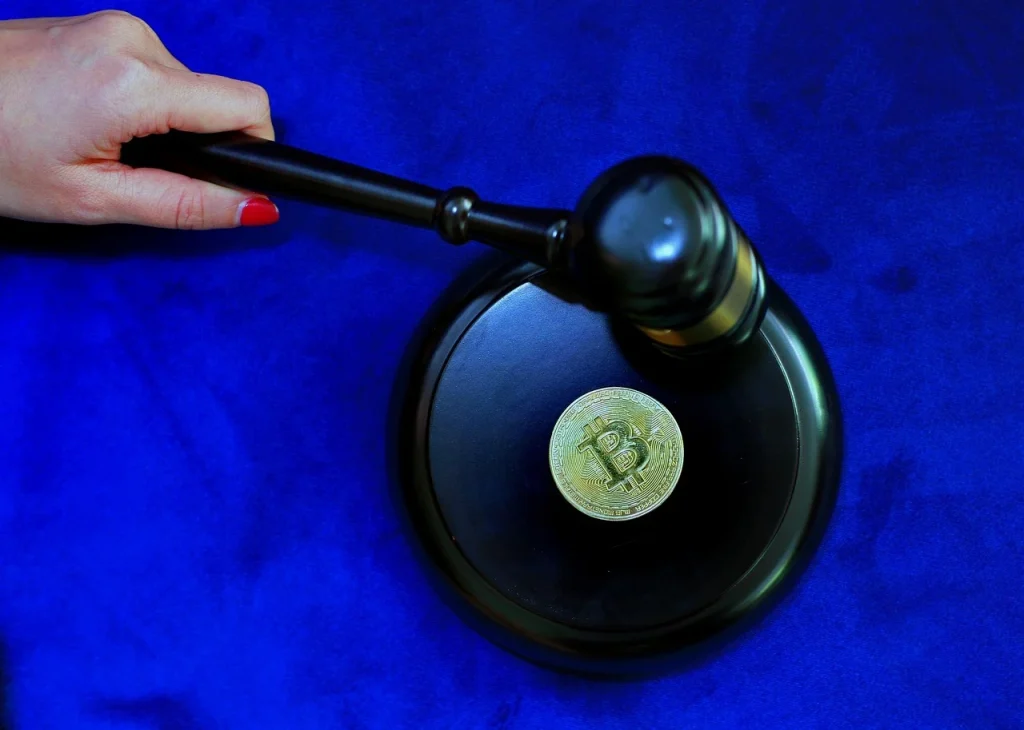
Potential SEC Regulation on Crypto Vaults: What Hester Peirce’s Warning Means for the Industry
In a recent statement, SEC Commissioner Hester Peirce warned the crypto community that crypto vaults and on-chain lending platforms might fall within the purview of U.S. securities laws, depending on their structure. This assertion comes at a critical time when the regulatory landscape surrounding cryptocurrency continues to evolve, prompting both concern and analysis from market participants.
Background and Context
Hester Peirce, known for her pro-crypto stance, has often advocated for a balanced approach to regulation that fosters innovation while ensuring investor protection. Her recent comments highlight the complexities of determining whether certain crypto products qualify as securities under U.S. law, particularly in light of the Howey Test criteria, which assesses whether an investment constitutes a security based on the expectation of profits derived from the efforts of others.
Crypto vaults, where users deposit digital assets in exchange for interest or other benefits, have surged in popularity as decentralized finance (DeFi) has gained traction. However, the SEC’s scrutiny raises questions about their classification and the implications for both users and providers. The potential regulatory oversight could significantly alter operational frameworks, compliance costs, and market dynamics.
Key Data and Metrics
According to recent reports, the total value locked (TVL) in DeFi platforms reached approximately $60 billion as of September 2023, with a significant portion attributed to lending and vault services. This figure underscores the magnitude of the crypto lending market and the potential impact of regulatory intervention. If crypto vaults are deemed securities, it could lead to a wave of compliance challenges for platforms that have thrived in a relatively unregulated environment.
Furthermore, as noted in our analysis of institutional trends and market dynamics, the influx of institutional capital into DeFi has been a game changer. Institutions have been increasingly exploring yield-generating opportunities, which could be jeopardized if regulatory frameworks overreach or fail to provide clarity. The implications are profound, as institutions may withdraw from or limit their involvement in crypto lending if stringent regulations materialize.
Market Analysis
The warning from Peirce comes amid a broader conversation about the role of regulation in the cryptocurrency space. Historically, similar concerns have affected markets, such as the initial coin offering (ICO) boom of 2017, where many projects faced legal challenges that hindered growth and investor confidence. The current situation is reminiscent of that era, where uncertainty led to market volatility.
Market participants should closely monitor developments related to regulatory frameworks. As evidenced by the quick reactions of traders following regulatory news, the crypto market is particularly sensitive to policy shifts. A potential influx of regulations could lead to decreased participation from retail investors, who may feel intimidated by compliance requirements or deterred by fear of potential penalties.
Expert Perspectives
Industry experts have varied opinions on the implications of Peirce’s warning. Some view it as a necessary step towards legitimizing the crypto space, believing that clear regulations could lead to greater institutional acceptance and investment. Others, however, caution against the stifling effects of overregulation, which could quash innovation and drive projects offshore.
For example, in an interview with a leading crypto analyst, it was noted that, “Regulation is a double-edged sword. While it can bring legitimacy, it can also create barriers that impede the growth of promising projects.” This sentiment reflects a broader concern within the community that regulatory bodies may not fully understand the technological nuances of blockchain and crypto products.
Risks and Opportunities
The potential regulation of crypto vaults presents both risks and opportunities. On the one hand, companies may face increased operational costs to comply with securities laws, which might discourage innovation and limit the number of available services. On the other hand, a clear regulatory framework could enhance consumer trust and attract a broader base of investors who were previously hesitant to enter the market.
Moreover, the historical context of regulatory action suggests that well-structured compliance could lead to a more stable market environment. As seen in traditional finance, compliance can serve to protect investors and foster long-term growth. However, the crypto industry must navigate these waters carefully to avoid overregulation that could stifle innovation.
Future Outlook
Looking ahead, the crypto community must brace for the possibility of enhanced regulatory scrutiny. As the SEC continues to evaluate various crypto products and their alignment with securities laws, companies must proactively assess their operational structures to mitigate potential risks. This could involve engaging legal expertise to ensure compliance and adapting business models to align with regulatory expectations.
In the long term, the evolution of regulatory frameworks could lead to a more sustainable and mature crypto market. The increasing involvement of institutional investors could also prompt regulators to adopt a more nuanced approach, balancing the need for oversight with the industry’s inherent innovation potential.
Conclusion
Hester Peirce’s warning regarding the potential classification of crypto vaults as securities is a significant development that could reshape the landscape of the cryptocurrency industry. As stakeholders navigate this evolving regulatory environment, understanding the implications on operations, market dynamics, and investor sentiment will be crucial. For those interested in the intersection of crypto and regulation, further insights can be found in our institutional trends analysis and our economic impact overview. The future remains uncertain, but those who prepare for potential regulatory changes will be better positioned to adapt and thrive in the evolving market.