

Robinhood Chain: Analyzing the Surge in Decentralized Exchange Rankings
July 22, 2026 15:07
Bitcoin ETF Inflows Surpass $200 Million for Two Consecutive Days: What This Means for the Market
July 22, 2026 15:27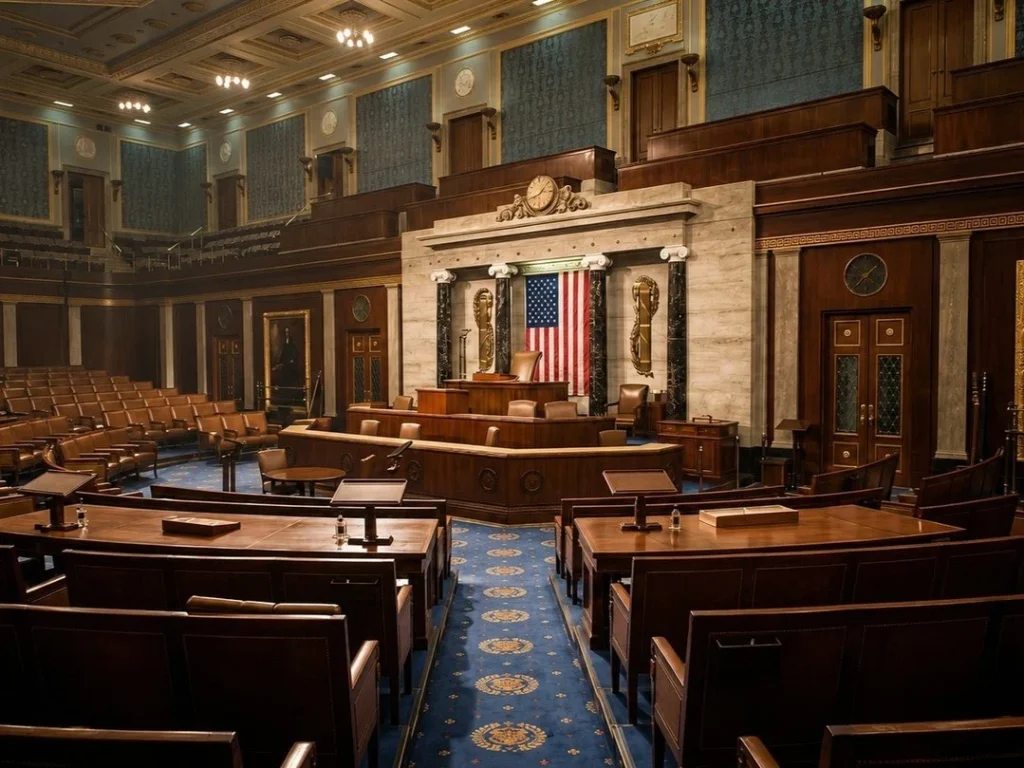
Senate Democrats Push for State Attorneys General to Enforce CLARITY Act: Implications for the Crypto Industry
Background and Context
The ongoing debate around cryptocurrency regulation in the United States has gained new momentum with the latest reports indicating that Senate Democrats are advocating for state attorneys general to take charge of enforcing the ethics provisions of the CLARITY Act. This development comes in stark contrast to the White House’s preference for the Department of Justice (DOJ) to assume this responsibility. The CLARITY Act, designed to provide clear guidelines for the regulation of digital assets, has been a focal point in the discussions on how best to safeguard investors while promoting innovation in the crypto space.
Historically, the regulatory landscape for cryptocurrencies has been fragmented, with various federal and state entities asserting their jurisdiction. The need for a cohesive regulatory framework has been underscored by numerous incidents, including high-profile scams and market volatility, which have eroded public trust in the crypto ecosystem. The CLARITY Act aims to mitigate these issues by establishing definitive rules and ethical standards for digital asset transactions.
Key Data and Metrics
According to recent studies, nearly 16% of American adults have invested in cryptocurrencies, highlighting the growing interest and participation in the market. However, the lack of clear regulatory guidance has also led to a significant decrease in market confidence, with the total market capitalization of cryptocurrencies falling by over 50% from its peak in late 2021. This decline accentuates the urgent need for robust regulations that can enhance investor protection while fostering innovation.
The proposed enforcement by state attorneys general could lead to a more tailored approach to regulation, potentially allowing for quicker responses to emerging issues within the crypto market. For instance, in states like New York, the implementation of the BitLicense has set a precedent for stringent oversight of crypto businesses, which some argue has both protected consumers and stifled innovation. As the Senate Democrats push forward with this proposal, it’s critical to assess how different states might interpret and enforce the provisions of the CLARITY Act.
Market Analysis
The potential shift in regulatory enforcement to state attorneys general raises several implications for the market. If adopted, this decentralized approach could lead to a patchwork of regulations across different states, complicating compliance for crypto businesses operating nationally. This fragmentation could deter some investors who prefer a unified regulatory environment, ultimately impacting trading volumes and market liquidity.
Additionally, the enforcement of the CLARITY Act by state attorneys general could result in heightened scrutiny of cryptocurrency exchanges and initial coin offerings (ICOs). This scrutiny may lead to increased operational costs for businesses as they navigate the complexities of compliance, potentially stifling innovation in a sector that thrives on agility and rapid growth. As discussed in our analysis of decentralized exchanges, the competitive landscape is already challenging, and further regulatory hurdles could reshape the market in unforeseen ways.
Expert Perspectives
Industry experts have varied opinions on the implications of Senate Democrats’ push for state-level enforcement of the CLARITY Act. Some argue that state attorneys general can provide a more localized understanding of the issues at hand, potentially leading to more effective enforcement. This perspective aligns with the notion that state regulators are often more in tune with the needs and concerns of their constituents compared to federal agencies.
Conversely, there are concerns that state-level enforcement could lead to inconsistencies that might confuse both consumers and businesses. According to a recent report, nearly 70% of crypto investors expressed a desire for clearer regulations, indicating that a fragmented approach could exacerbate existing confusion in the market. This sentiment echoes the findings from our analysis of native token market capitalization, which illustrated the detrimental effects of regulatory uncertainty on investor sentiment.
Risks and Opportunities
The potential enforcement of the CLARITY Act by state attorneys general presents both risks and opportunities for the cryptocurrency market. On one hand, a more robust regulatory framework could enhance investor confidence, leading to increased adoption and market growth. As more institutional players enter the space, the demand for clear and reliable regulations will only intensify. This shift could open new avenues for investment, particularly in the realm of decentralized finance (DeFi) and non-fungible tokens (NFTs).
On the other hand, the risks associated with a fragmented regulatory environment cannot be overlooked. If states adopt vastly different interpretations of the CLARITY Act, it could create compliance challenges for businesses and discourage innovation. Furthermore, the potential for increased enforcement actions by state attorneys general could lead to a chilling effect on smaller startups that lack the resources to navigate complex regulatory landscapes.
Future Outlook
Looking ahead, the outcome of the Senate Democrats’ push for state-level enforcement of the CLARITY Act remains uncertain. As discussions continue, it will be crucial for stakeholders, including investors, businesses, and regulators, to engage in constructive dialogue to shape a regulatory framework that balances consumer protection with innovation. The crypto space is evolving rapidly, and any regulatory framework must be adaptable to keep pace with technological advancements.
Moreover, the implications of this enforcement strategy extend beyond the immediate regulatory landscape. As more states consider their approaches to crypto regulation, the actions taken by state attorneys general will likely set precedents that could influence national policy. This long-term perspective is crucial for investors and businesses looking to navigate the complexities of the crypto market. As discussed in our exploration of AI agents and crypto adoption, understanding these dynamics will be essential for future strategies.
Conclusion
The Senate Democrats’ advocacy for state attorneys general to enforce the CLARITY Act represents a significant shift in the regulatory landscape for cryptocurrencies in the United States. While this approach could enhance local oversight and consumer protection, it also raises concerns about regulatory fragmentation and the potential for increased compliance costs for businesses. As the crypto market continues to evolve, stakeholders must remain vigilant and proactive in addressing these challenges. The future of cryptocurrency regulation will undoubtedly shape the trajectory of the market, impacting everything from investor confidence to innovation potential.
For those looking to engage with the evolving crypto landscape, MEXC offers a comprehensive trading experience that adapts to the changing regulatory environment.