

Understanding the Recent Surge of the ERA Token: A Market Analysis
July 21, 2026 18:44
How Dollar-Backed Stablecoins Are Bypassing Capital Controls: A BIS Analysis
July 21, 2026 19:02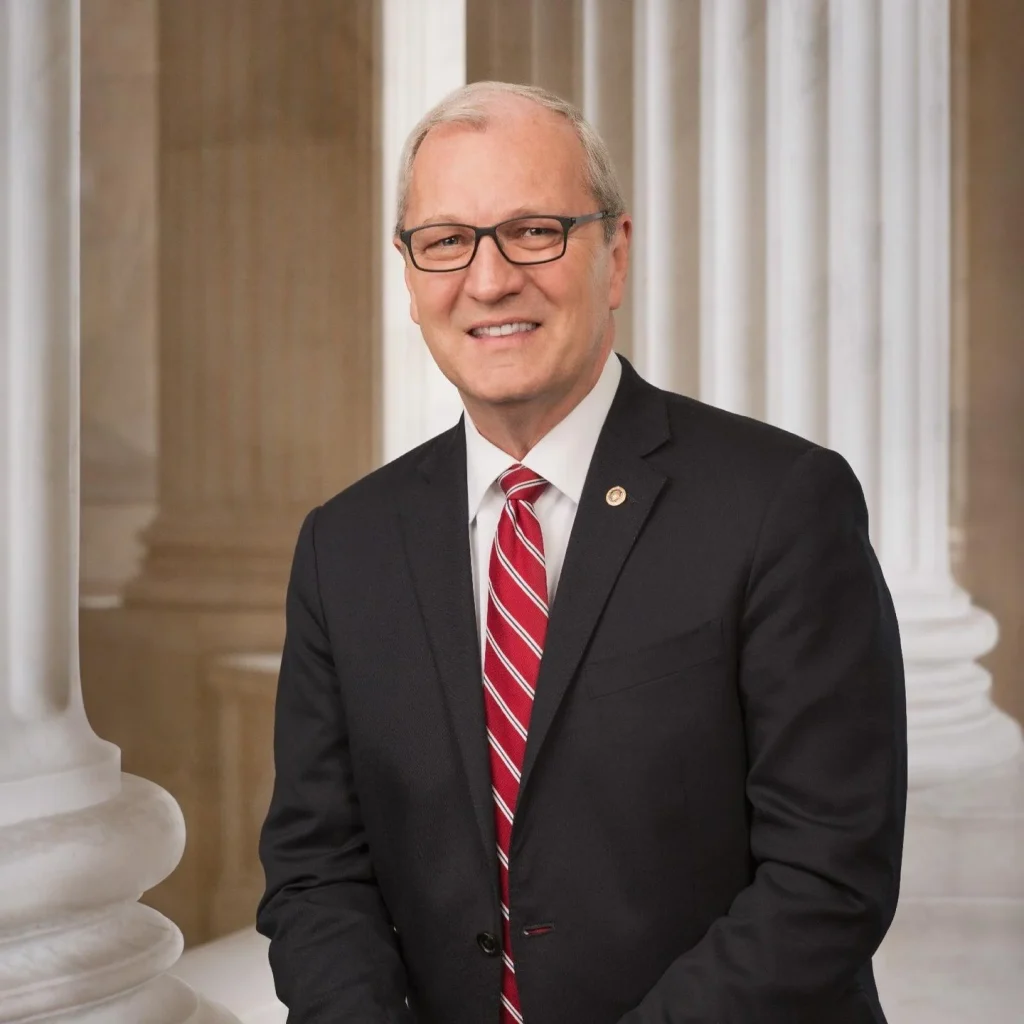
Senator Kevin Cramer Highlights Department of Justice’s Role in Regulating Cryptocurrency Ethics
Background and Context
The cryptocurrency landscape in the United States is undergoing a significant transformation with the introduction of the CLARITY Act, which aims to bring much-needed clarity to the regulatory frameworks governing digital assets. The recent comments by Senator Kevin Cramer regarding the Department of Justice (DOJ) playing a pivotal role in enforcing the ethics provisions of the CLARITY Act are noteworthy. As digital assets continue to gain traction within financial markets, regulatory bodies are being called upon to establish frameworks that not only protect investors but also foster innovation.
The CLARITY Act, which stands for the “Comprehensive Legalization of Assets and Regulation of Technology for the Industry of Tomorrow,” seeks to address the complexities surrounding cryptocurrency regulation. This act proposes to delineate the responsibilities of various regulatory bodies, including the Securities and Exchange Commission (SEC) and the Commodity Futures Trading Commission (CFTC), while also assigning enforcement powers to the DOJ concerning ethical practices.
Key Data and Metrics
While the specifics of the CLARITY Act are still unfolding, it is essential to understand the broader implications of regulatory enforcement in the cryptocurrency space. According to recent data from the Blockchain Association, the U.S. crypto market has seen over $1 trillion in trading volume in the past year, with a growing number of institutional investors entering the space. This surge in activity has heightened the need for clear regulations to mitigate risks associated with fraud and market manipulation.
Statistics from the Financial Crimes Enforcement Network (FinCEN) indicate that crypto-related illicit activities have increased, with reports showing a 30% rise in cases of money laundering involving digital assets over the last two years. Cramer’s assertion that the DOJ will be the primary enforcement body highlights the urgency of addressing these issues. The DOJ’s involvement could lead to more stringent oversight and accountability for crypto firms, which could deter illicit activities but may also introduce challenges for legitimate businesses.
Market Analysis
The potential regulation by the DOJ under the CLARITY Act could significantly influence market dynamics. As investors and traders adjust to the possibility of increased scrutiny, we may witness a shift in market behavior. For instance, the announcement of potential regulations can lead to fluctuations in crypto prices, as seen during previous regulatory announcements. Historically, Bitcoin’s price responded negatively to news of potential regulation but rebounded once the initial shock wore off.
Furthermore, the implications of the DOJ’s involvement extend beyond enforcement. The act could set precedents for how cryptocurrencies are treated under U.S. law. If the DOJ establishes a robust framework for ethical practices, it could enhance public confidence in cryptocurrencies, leading to increased adoption. Conversely, if the regulations are perceived as too restrictive, it may stifle innovation and drive projects offshore, as entrepreneurs seek more favorable regulatory environments.
Expert Perspectives
Industry experts are divided on the implications of the DOJ’s involvement. Some view it as a necessary step toward legitimizing the crypto industry, while others are concerned about potential overreach. For example, Jerry Brito, Executive Director of the Blockchain Association, emphasizes that a balanced regulatory approach is crucial. He argues that while enforcement is essential for curbing bad actors, overly stringent regulations could hinder the growth of a burgeoning sector.
On the other hand, proponents of stricter regulations argue that the DOJ’s involvement could protect investors from fraud and increase the overall credibility of the industry. According to a recent survey by the Global Blockchain Business Council, over 70% of industry professionals believe that clearer regulations will foster innovation and attract institutional investment. This sentiment reflects a growing consensus that regulatory clarity is vital for the long-term success of the cryptocurrency market.
Risks and Opportunities
With the potential enforcement of the CLARITY Act by the DOJ, both risks and opportunities emerge for investors and traders in the cryptocurrency space. The primary risk lies in the uncertainty surrounding the specifics of the regulations. As the DOJ prepares to define its role, companies may face substantial compliance costs, which could impact their bottom lines. Furthermore, the potential for increased scrutiny could lead to a decline in market liquidity as traders become hesitant to engage in transactions amid regulatory uncertainties.
On the flip side, the opportunity for increased legitimacy and investor confidence is substantial. A well-regulated environment could attract more institutional capital into the market, driving up demand for cryptocurrencies. In a landscape where trust is paramount, establishing a framework that holds players accountable could lead to greater market stability and growth in the long term.
Future Outlook
Looking ahead, the future of cryptocurrency regulation in the U.S. is poised for significant changes as the DOJ takes on a more prominent role. The impact of the CLARITY Act will likely extend beyond the U.S. borders, influencing global regulatory trends. Countries observing the U.S. approach may adapt their own frameworks in response, leading to a more harmonized global regulatory environment.
Additionally, as regulators worldwide grapple with the challenges posed by digital assets, the outcome of the CLARITY Act could serve as a blueprint for other nations. The focus on ethical practices and accountability may inspire similar legislation elsewhere, establishing a global standard for crypto regulation.
Conclusion
Senator Kevin Cramer’s comments about the DOJ’s role in enforcing the CLARITY Act’s ethics provisions signify a pivotal moment for the cryptocurrency industry. As the regulatory landscape evolves, both investors and businesses must remain vigilant and adaptable to these changes. The balance between fostering innovation and ensuring accountability will be crucial in shaping the future of digital assets. As this situation develops, continued engagement with regulatory developments will be essential for stakeholders in the cryptocurrency space. For more insights on the implications of regulatory changes, see our analysis on U.S. Spot Bitcoin ETFs and interest rates. Moreover, understanding the broader context of bankruptcies and crypto regulation can provide a comprehensive view of the shifting landscape. Stay informed and ready to navigate the opportunities and challenges that lie ahead.