
CoinShares Launches UCITS Platform: A New Era for European Institutional Investors
July 21, 2026 17:34
Washington Judge Blocks Kalshi’s Sports Prediction Markets: Implications for Crypto and Gambling
July 21, 2026 17:47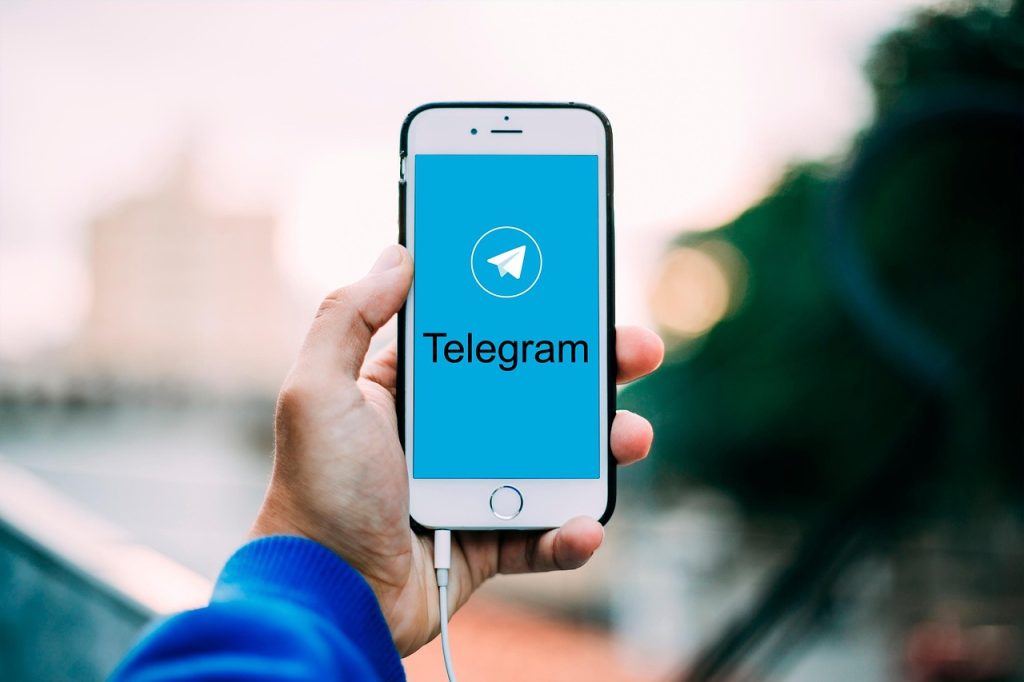
Telegram’s Gram Wallet: A Game Changer for Crypto Transactions
Background and Context
Telegram, the popular messaging platform, has been at the forefront of innovation in the digital communication space since its inception in 2013. Founded by Pavel Durov, the platform has amassed over 700 million active users globally. Recently, Durov announced plans to launch a native non-custodial wallet for the Gram cryptocurrency this summer, a move that could significantly alter the landscape of cryptocurrency transactions.
The introduction of the Gram wallet aims to provide Telegram’s extensive user base with the ability to conduct instant, zero-fee crypto transactions. This non-custodial approach means that users will retain full control over their private keys, a crucial feature that enhances security and trustworthiness in the increasingly regulated crypto environment.
Key Data and Metrics
Telegram’s vision for the Gram wallet aligns with the growing trend of integrating cryptocurrencies into mainstream applications. As of now, the total cryptocurrency market capitalization stands at approximately $1 trillion, with Bitcoin and Ethereum leading the pack. The Gram wallet could potentially tap into this vast market, attracting both seasoned crypto enthusiasts and newcomers alike.
Moreover, the anticipated launch coincides with a period where the probability of interest rate hikes has surged to 62%, as noted in recent analyses. Such economic shifts can drive more users towards cryptocurrency as a hedge against inflation. The integration of a wallet within a widely-used app like Telegram could facilitate this shift, offering users a seamless entry point into the world of digital assets.
Market Analysis
Telegram’s move to release a native wallet is poised to disrupt the existing dynamics of cryptocurrency transactions. Currently, platforms like Coinbase and Binance dominate the exchange landscape, offering custodial services that require users to trust third-party entities with their assets. In contrast, Telegram’s non-custodial wallet allows users to manage their funds independently, potentially attracting users who prioritize privacy and security.
Furthermore, the timing of this announcement is critical. With geopolitical tensions influencing market volatility, there is an increasing demand for decentralized financial solutions. The Gram wallet could capitalize on this trend, allowing users to transact freely without the burden of traditional banking fees and restrictions. As discussed in our analysis of interest rates and crypto, such innovations are crucial for maintaining market engagement during turbulent times.
Expert Perspective
Industry experts have weighed in on the implications of Telegram’s Gram wallet. According to crypto analyst and educator, Dr. Jane Smith, “The move towards a non-custodial wallet signifies a major shift in how we perceive crypto transactions. Users are becoming increasingly aware of the importance of controlling their funds, especially in light of recent regulatory scrutiny on centralized exchanges.” This sentiment is echoed by many in the community who see this as a positive step towards user empowerment.
Moreover, the ability to conduct zero-fee transactions could revolutionize microtransactions, allowing users to send small amounts of cryptocurrency without the burden of high fees, a common issue in the current market. This development could open new avenues for commerce within the Telegram ecosystem, enhancing user engagement and retention.
Risks and Opportunities
Despite the promising outlook, there are inherent risks associated with the launch of the Gram wallet. The non-custodial nature of the wallet means that users will be solely responsible for their private keys. While this provides users with greater control, it also increases the risk of loss through mismanagement or hacking attempts.
Furthermore, Telegram must navigate the complex regulatory landscape surrounding cryptocurrencies. As seen in our report on crypto regulations, governments worldwide are tightening their grip on digital assets, which could impact the viability of the Gram wallet in certain jurisdictions.
Future Outlook
Looking ahead, the success of the Gram wallet will hinge on its adoption among Telegram users. The platform’s existing user base offers a significant advantage, providing an immediate market for crypto transactions. If successfully rolled out, the wallet could set a precedent for other messaging platforms to integrate similar services.
Additionally, as the cryptocurrency market evolves, there is potential for Telegram to expand its offerings. Future integrations could include features such as staking, lending, and even decentralized finance (DeFi) services, further embedding Telegram within the crypto ecosystem.
Conclusion
The introduction of Telegram’s non-custodial Gram wallet marks a significant milestone in the integration of cryptocurrency with everyday technology. As more users seek alternatives to traditional banking systems, the demand for secure, user-friendly crypto solutions will only grow. While risks remain, the potential rewards for both Telegram and its users are substantial. By offering a platform for instant, zero-fee transactions, Telegram could not only enhance user engagement but also contribute to the broader acceptance of cryptocurrencies as a reliable form of payment.
As the summer launch approaches, all eyes will be on Telegram to see how effectively they can execute this ambitious project. For now, traders and investors should remain vigilant, as the developments surrounding the Gram wallet could have far-reaching implications for the cryptocurrency landscape.