

Bitcoin ETF Inflows Surge: What This Means for Traders
July 24, 2026 15:09
Bitcoin Hits $64,000: What Does This Mean for You?
July 24, 2026 15:27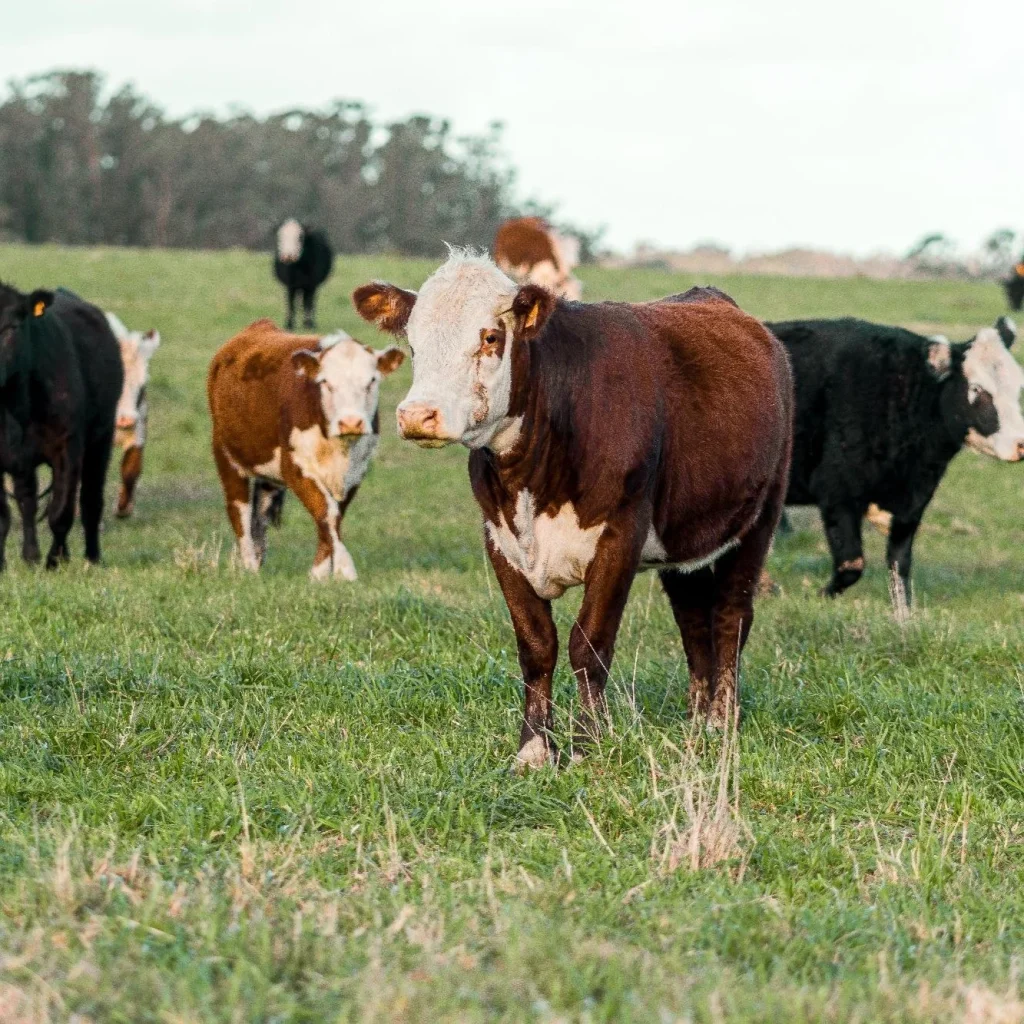
The First Tokenized Livestock Loan: A New Frontier in Brazilian Finance
Tokenizing Cows: An Unprecedented Move
In a groundbreaking financial maneuver, a Brazilian dairy farm has secured a R$100,000 loan by using 10 tokenized cows as collateral. This marks the first instance of livestock being formally registered as collateral on B3, Brazil’s stock exchange. It’s a novel approach, leveraging blockchain technology in a sector that traditionally relies on more tangible forms of security.
The use of tokenized assets in securing loans isn’t entirely new, but applying it to livestock certainly is. The implications are multifaceted, offering farmers a new financial instrument while potentially reshaping the agricultural finance landscape. This strategic move not only underscores the versatility of blockchain but also highlights a shift towards more innovative financial solutions in agriculture.
Historically, agricultural loans have been secured through land or physical assets, such as machinery. However, this tokenization of cows could pave the way for more dynamic asset management, providing farmers with increased liquidity and flexibility without parting with essential resources.
A Historical Context: How We Got Here
The financial world has seen various forms of asset-backed securities over the decades. I’ve watched this pattern play out before — in the 2008 financial crisis, when mortgage-backed securities were at the forefront of the collapse. Unlike those, however, the tokenization of livestock introduces a new layer of security through blockchain’s immutable ledger technology.
Tokenization in finance began gaining traction with the advent of cryptocurrencies like Bitcoin and Ethereum. The idea was to represent real-world assets on a blockchain, making them more accessible and tradable. In this context, tokenizing cows is a logical extension of this trend, ensuring that even traditionally non-digital assets can be leveraged in modern financial systems.
Compare this to the 2013 rate cycle when financial innovation was similarly accelerating. The correlation isn’t perfect, but it’s too consistent to ignore. This signals a broader acceptance of blockchain in traditional sectors, potentially leading to more efficient financing methods.
Structural or Cyclical? The Implications for Markets
The question that arises is whether this represents a structural shift or a cyclical correction in how agricultural assets are financed. On the one hand, tokenization could fundamentally change the way assets are perceived and used in financial markets, offering a permanent new tool for liquidity. On the other, it might simply be a temporary response to current economic conditions.
In either case, the impact on investors and traders is substantial. For those involved in agricultural finance, this development opens up new avenues for investment and risk management. As discussed in our Bitcoin ETF analysis, technological innovations often lead to shifts in investor behavior and market dynamics.
What I don’t know yet is whether this represents a long-term trend or a short-term experiment. However, the potential for tokenized assets to provide liquidity and security in volatile markets is undeniable.
The Long View: Potential for Global Adoption
This Brazilian initiative might just be the beginning. If successful, it could set a precedent for other countries looking to modernize their agricultural finance systems. The benefits are clear: increased liquidity, reduced risk, and greater access to capital for farmers.
Globally, the adoption of tokenized assets could revolutionize sectors beyond agriculture. In the Philippines, for instance, stablecoin settlements are already making waves in cross-border payments. If tokenization can similarly streamline agricultural finance, it could lead to widespread efficiency gains.
Yet, the long-term implications depend heavily on regulatory frameworks and technological advancements. Just as South Korea is navigating regulatory challenges in crypto exchange apps, Brazil will need to ensure robust legal backing for tokenized asset transactions.
Challenges Ahead: Navigating the Blockchain Path
While the potential benefits are enticing, several challenges remain. First, the technology underpinning tokenization must be robust enough to handle large-scale adoption. Blockchain’s scalability and security are critical factors that need continuous improvement and scrutiny.
Additionally, regulatory issues can’t be ignored. The legal status of tokenized assets varies significantly across jurisdictions, and harmonizing these regulations will be crucial for broader adoption. As seen in the BitMEX lawsuit, legal ambiguities can lead to significant market disruptions.
The success of this initiative will depend on how well these challenges are addressed. It requires collaboration between technologists, regulators, and market participants to create a sustainable ecosystem for tokenized asset trading.
What This Means for Investors
For investors, the tokenization of livestock presents a novel opportunity. It allows for diversification into an asset class that was previously illiquid and difficult to manage. However, it also requires a nuanced understanding of both the agricultural sector and blockchain technology.
Investors should consider the risks and opportunities presented by this new asset class. The recent movements in Ethereum prices demonstrate the volatility inherent in blockchain-based assets. Therefore, thorough due diligence is essential.
The future of tokenized livestock loans is uncertain, but the potential for innovation in agricultural finance is significant. Whether this becomes a structural shift or remains a niche market development will depend on a multitude of factors, including market acceptance and regulatory frameworks. For now, it stands as a testament to the evolving landscape of finance.
To explore investment opportunities with innovative financial technologies, consider joining MEXC, a leading platform for cryptocurrency trading. Start trading today.
Author: Stephanie Morris