

Tokenization in Finance: A Strategic Priority for North American Institutions
July 20, 2026 10:17
Understanding the Implications of Strategy CEO’s $216M Bitcoin Sale
July 20, 2026 11:10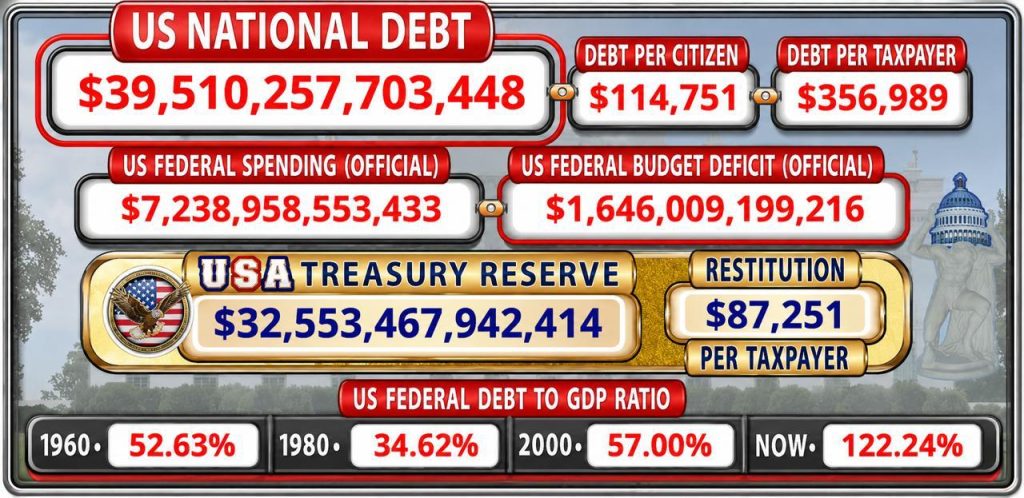
The US National Debt Surpasses $39.5 Trillion: A Deep Dive into Implications for the Economy and Cryptocurrency Markets
Background and Context
The recent announcement that the US national debt has surpassed $39.5 trillion marks a significant milestone in the country’s fiscal history. This alarming figure is not merely a statistic; it represents a culmination of decades of fiscal policy decisions, geopolitical events, and economic challenges. The United States has been grappling with a persistent debt issue since the 1980s, with expenditures consistently outpacing revenues, leading to a compounding effect on the national debt.
This increase in national debt can be attributed to various factors, including increased government spending during economic downturns, tax cuts that have reduced revenues, and significant expenditures related to healthcare, social security, and defense. The COVID-19 pandemic further exacerbated the situation, with emergency relief measures contributing to a rapid elevation of the debt ceiling.
Key Data and Metrics
As of now, the US debt-to-GDP ratio stands at approximately 120%, a stark indicator of the nation’s fiscal health. This ratio is a critical metric for understanding the sustainability of national debt levels. Historically, such ratios above 100% raise concerns about a country’s ability to manage its debt without experiencing economic instability. For comparison, during World War II, the debt-to-GDP ratio peaked at around 106%, but subsequent economic growth helped to reduce it over the following decades.
In the current landscape, the implications of surpassing $39.5 trillion in debt are profound. Interest payments alone on this debt consume a substantial portion of the federal budget, limiting the government’s ability to invest in growth-promoting initiatives. According to the Congressional Budget Office (CBO), interest payments could escalate to over $1 trillion annually by the end of the decade if current trends continue. This situation poses significant risks for economic growth and market stability.
Market Analysis
The surpassing of the $39.5 trillion threshold in national debt is likely to have ripple effects throughout the financial markets, particularly in the cryptocurrency sector. As investors seek safe-haven assets in uncertain times, cryptocurrencies like Bitcoin have often benefited from increased demand. This was evident during previous economic crises, where Bitcoin’s price saw substantial surges amidst growing concerns about traditional financial systems.
Additionally, the response of the Federal Reserve in managing interest rates will be crucial. If the Fed opts to raise rates to combat inflation, it could lead to decreased liquidity in the markets, affecting both traditional equities and cryptocurrencies. A tightening monetary policy environment usually results in lower asset prices, and as seen in the recent market dynamics, traders are already adjusting their strategies in anticipation of these changes.
Expert Perspectives
Economists and financial analysts are divided over the implications of the escalating national debt. Some argue that as long as the US dollar remains the world’s primary reserve currency, the country can continue to sustain high debt levels without immediate repercussions. However, others warn that increasing debt could lead to a loss of confidence among international investors, potentially resulting in higher borrowing costs and a depreciation of the dollar.
In a recent analysis, experts pointed out that countries with high debt-to-GDP ratios often face increased scrutiny and pressure on their fiscal policies. This could lead to austerity measures that might stifle economic growth. Furthermore, the interconnectedness of global financial markets means that a significant shift in US fiscal policy could have far-reaching effects on international markets, as discussed in our analysis of global financial interconnectedness.
Risks and Opportunities
The current situation presents both risks and opportunities for traders and investors. On one hand, the rising national debt creates a backdrop of uncertainty that could lead to increased volatility across all markets. Investors often flee to safe-haven assets during such times, which could mean a surge in Bitcoin and other cryptocurrencies as they seek to hedge against potential downturns in traditional markets.
On the other hand, the risk of inflation and increased interest rates could also dampen demand for riskier assets. The balance between these two dynamics will be critical in determining market sentiment moving forward. The recent trend of Bitcoin whales accumulating BTC, as noted in our report on whale activity, indicates a potential bullish sentiment among large holders despite broader economic uncertainties.
Future Outlook
Looking ahead, the trajectory of the national debt and its implications for the economy and cryptocurrency markets will largely depend on fiscal policies and the Federal Reserve’s approach to monetary policy. Should the government take measures to curb spending and increase revenues, there could be a stabilization of debt levels, which would be favorable for both traditional and digital assets.
Conversely, continued increases in national debt without corresponding economic growth could lead to a crisis of confidence, affecting the dollar’s standing and creating a challenging environment for all asset classes. As traders and investors navigate this landscape, remaining informed about fiscal policies and market conditions will be crucial for making strategic decisions.
Conclusion
The surpassing of the $39.5 trillion mark in US national debt signals a critical juncture for the economy and presents unique challenges and opportunities for investors. As we have explored, the implications are vast, affecting everything from interest rates to market liquidity and investor sentiment towards cryptocurrencies. As the financial landscape evolves, staying abreast of these developments will be essential for anyone looking to capitalize on the changing dynamics of the market. Engaging in informed trading strategies and understanding the broader economic context will help navigate the complexities of this new fiscal reality. For those interested in exploring cryptocurrency trading, consider joining MEXC for a comprehensive trading experience.