

Ethereum’s Cycle: Nearing the Bottom Against Bitcoin?
July 24, 2026 18:22
Spot Bitcoin ETFs: A Temporary Outflow or a Sign of More?
July 24, 2026 18:28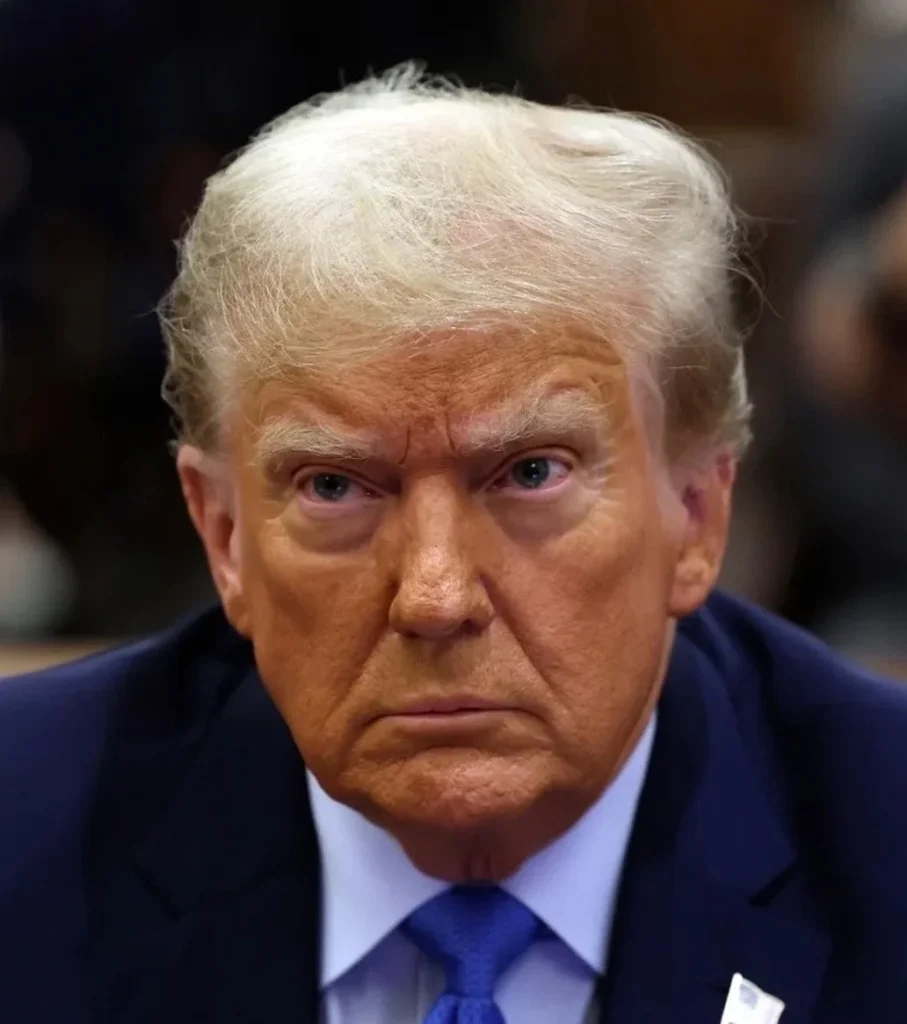
Trump’s Tariff Threats: What They Mean for Crypto Markets
Understanding the Tariff Threat
President Donald Trump has recently threatened to impose “substantial tariffs” on the European Union in response to fines on U.S. companies. The statement, “The United States of America is not a ‘piggybank’ for Europe,” highlights his administration’s growing frustration with European economic policies perceived as unfair to American businesses. While this might seem like a straightforward trade dispute, it could have far-reaching implications, including for the burgeoning cryptocurrency markets.
Historically, tariffs have been used as a tool to protect domestic industries by making imported goods more expensive. However, they can also lead to trade wars, which can create economic uncertainty globally. For crypto investors, such uncertainty often leads to increased volatility in digital asset markets. But why does a potential trade war matter for crypto? Well, economic instability often drives investors to alternative assets, including cryptocurrencies, as a hedge against traditional market turmoil.
What This Actually Means for Crypto Traders
The mistake most people make here is assuming that tariffs only affect traditional markets. It doesn’t. In fact, think of it this way: tariffs are like a storm brewing over the global economy. When traditional markets get turbulent, investors often look for safer harbors. Cryptocurrencies, with their decentralized nature, become attractive alternatives.
During periods of economic uncertainty, Bitcoin has often been referred to as “digital gold.” For instance, when the U.S. Federal Reserve discusses interest rate changes or when geopolitical tensions rise, Bitcoin often experiences a surge in interest and price. Similar patterns may emerge if a trade war between the U.S. and EU escalates, potentially driving more investors toward cryptos as a safe haven.
According to our recent insights, Bitcoin sellers are currently in profit, hinting at a potential bull market. Tariff threats could be the kind of economic catalyst that pushes more investors into the crypto market.
The Role of Economic Policy in Crypto Volatility
Let’s dive into why economic policies like tariffs can cause ripples in the crypto market. When governments implement tariffs, it often leads to increased costs for businesses and consumers. This can reduce spending and slow economic growth, leading investors to seek alternative investment opportunities.
In the past, we’ve seen how macroeconomic pressures, such as inflation and interest rate hikes, have affected crypto markets. For instance, during the U.S.-China trade tensions, cryptocurrencies experienced increased attention as investors sought to diversify their portfolios. Similarly, as discussed in our deep dive on Bitcoin accumulation, macro pressures can significantly affect cryptocurrency accumulation and distribution patterns.
The Impact on DeFi and Altcoins
While Bitcoin often acts as a bellwether for the crypto market, tariffs might also influence decentralized finance (DeFi) and altcoins. DeFi platforms, which offer financial services without traditional intermediaries, could see increased usage as traditional markets experience uncertainty.
Additionally, altcoins, which are alternative cryptocurrencies to Bitcoin, might see varying impacts. For example, Ethereum’s position as a leading platform for smart contracts could benefit from increased DeFi activity, as discussed in our Ethereum cycle analysis. However, it’s crucial to watch how these coins react individually to broader economic changes.
A Historical Perspective: Trade Wars and Crypto
Looking back, trade disputes have often led to market volatility. During the U.S.-China trade war, for instance, Bitcoin’s price saw significant swings, reflecting investor sentiment and uncertainty. Typically, such periods are characterized by a flight to safety, with assets like gold and, increasingly, Bitcoin benefiting.
However, it’s essential to consider the unique nature of the current situation. This isn’t just a U.S.-China issue; it’s a potential U.S.-EU conflict. The European market is a significant player in the global economy, and any disruption could have widespread implications, including in the crypto space.
Our analysis of crypto-related events shows that geopolitical tensions can sometimes lead to unexpected developments in the crypto market, including increased hacking attempts and regulatory scrutiny.
The Part That Affects You: How to Navigate This
Here’s what actually matters for you: as a crypto trader or investor, it’s vital to stay informed about these geopolitical developments. Monitor how the U.S.-EU trade relations evolve and consider how these might impact your crypto portfolio. Diversifying your investments and staying agile in your trading approach is key.
Moreover, keeping an eye on regulatory changes is crucial. As we’ve seen from our analysis of regulatory challenges, political developments can lead to new regulations that might affect crypto markets. Understanding these changes can help you make more informed decisions.
Ultimately, while tariffs might seem like a distant political issue, their effects can ripple through global markets, including crypto. This signals the importance of staying informed and prepared for any market shifts.
What to Watch Next
In the coming weeks, keep an eye on any announcements from the U.S. and EU regarding trade negotiations. These will likely provide insights into whether a trade war is imminent or if a resolution can be reached.
Additionally, watch how the crypto market responds. Increased volatility could present both risks and opportunities for traders. For those looking to capitalize on potential market movements, platforms like MEXC offer a gateway to diverse crypto trading options. Sign up today to explore trading opportunities.
The geopolitical landscape is ever-evolving, and so is the crypto market. By staying informed, you can better navigate these changes and potentially benefit from the shifts in market dynamics.
Author: Mark Montgomery